
REVIEW · DUBAI
Discover Heart of Dubai’s Old Town, Heritage, Abra & Souqs
Old Dubai feels close in just three hours. The Old Town route is built around real places locals used long ago, starting with Al Fahidi and finishing in the Gold Souk maze, with a licensed guide named Muhammad who tailors the walk to what you want. I especially like how the stops mix daily life (Al Fahidi) with everyday trade (spice and gold), and I love that you also get a short abra ride across Dubai Creek instead of only seeing maps. One thing to consider is that the experience is weather-dependent, so if conditions are poor, you may need a date change.
A small group helps. This is capped at 10 travelers, which makes it easier to ask questions, get help in the shops, and move at a pace that does not feel rushed. You get a mobile ticket, and the tour is designed to start at Al Fahidi Historical Neighbourhood and end around Deira and Al Ras, near the Gold Souk.
In This Review
- Key Things That Make This Old Dubai Route Worth It
- Starting at Al Fahidi: Where Old Dubai Still Looks Like Old Dubai
- The Abra Ride at Deira Old Souk Abra Station, and Why It Matters
- Dubai Spice Souk: A Smell-Based Market Lesson You Can Shop With
- Gold Souk: Covered Walkways, Lots of Stores, and Smart Shopping Time
- Muhammad, a Small Group, and a Pace That Feels Human
- Price, Value, and Why This Works as a Short Stopover
- Practical Notes Before You Go: Weather, Walking, and Making Smart Choices
- Should You Book This Old Town Tour Route?
- FAQ
- How long is the tour?
- What does the tour cost?
- What locations are included?
- Are tickets included?
- Where does the tour start and end?
- Is there a group size limit?
- Will I get a mobile ticket?
- Is the tour dependent on weather?
- What is the cancellation policy?
- Who guides the experience?
Key Things That Make This Old Dubai Route Worth It
- Al Fahidi Historical Neighbourhood shows mid-19th-century to 1970s Dubai life, with classic alley-and-courtyard layout.
- Barajeel wind towers let you see how buildings used air flow before modern AC.
- Dubai Creek abra ride gives you the traditional cross-river shortcut, not just a photo stop.
- Dubai Spice Souk is built for sensory shopping, with herbs and spices piled in baskets at the stalls.
- Gold Souk is a covered-junction labyrinth where you can compare jewelry across lots of retailers.
- Muhammad as your guide keeps the day practical, answers questions, and can help with shopping conversations.
Deeper into the old side of the creek
- Dubai: Old Town, Creek, Museums, Souks, & Street Food Tour
★ 4.8 · 10,816 reviews - Dubai: Old Town, Souks, Street Food, Guided Tour & Abra Ride
★ 4.9 · 7,170 reviews - Dubai: Frame Tickets, Creek, Souks & Blue Mosque Guided Tour
★ 4.8 · 5,980 reviews - Dubai Aladdin Tour: Souks, Creek, Old Dubai and Tastings
★ 5.0 · 3,755 reviews
Starting at Al Fahidi: Where Old Dubai Still Looks Like Old Dubai
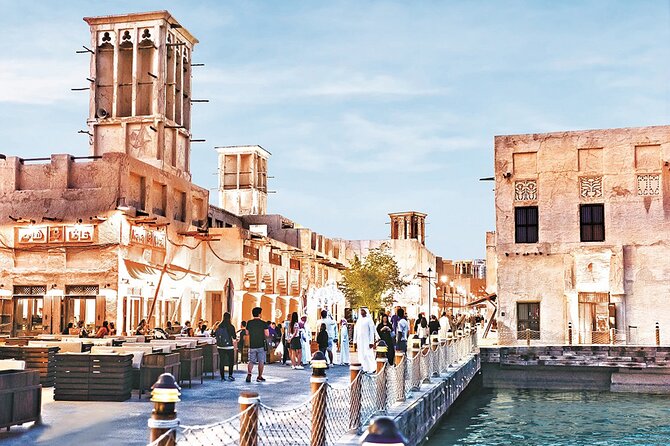
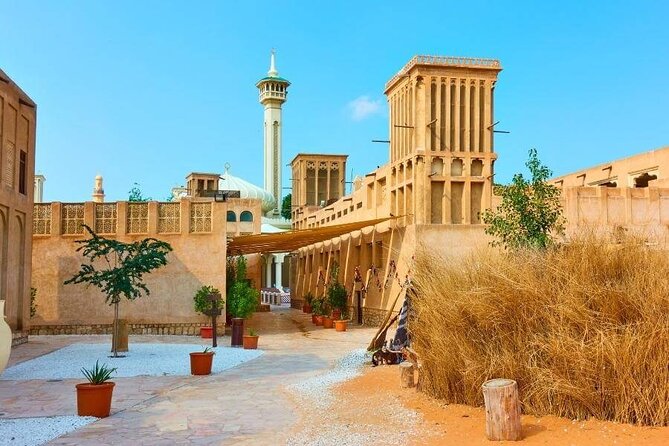
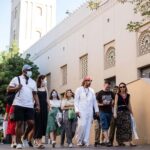
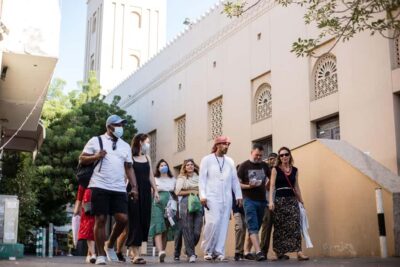
Your walk begins in Al Fahidi Historical Neighbourhood, one of the places where Dubai’s past is easiest to picture without trying too hard. This district reflects the traditional style of life that ran from the mid-1800s until the 1970s. Instead of a single landmark, you get a whole neighborhood feel: buildings close together, separated by alleys, pathways, and small public squares.
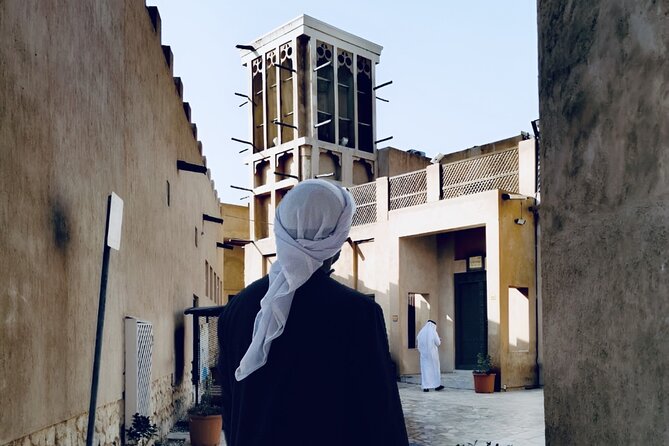
What makes Al Fahidi more than just a pretty photo area is the architecture. You will see the famous high air towers, known as barajeel. These wind towers were a climate-smart feature before modern building systems became the norm. The neighborhood also uses traditional materials you can recognize by sight and texture, including stone, gypsum, teak, sandal wood, and palm-related elements.
Another smart piece of context is location. Al Fahidi’s setting at Dubai Creek explains why old Dubai grew where it did. Creeks and waterways were the working arteries of trade, so it makes sense that markets and ferry points came later, right where people needed them.
How long do you get here? About an hour. That is enough time to slow down, read the space, and take in the layout without feeling like you are trapped in museum mode. The potential drawback is also simple: this is a walking neighborhood. If you prefer long seated breaks, plan for at least some time on your feet before the tour shifts into more market time.
The Abra Ride at Deira Old Souk Abra Station, and Why It Matters
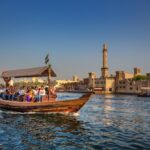
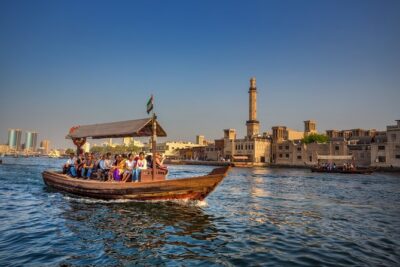
After Al Fahidi, the tour shifts from old neighborhoods to movement. You head to Deira Old Souk Abra Station, where you take a short ride on the Dubai abra. The name comes from the Arabic verb abara, meaning to cross. That matters because the abra is not a staged experience. It is still the symbol of the city’s older transport logic: cross the water quickly, connect the markets, keep life moving.
Even though the ride is brief (around 10 minutes), it changes your understanding. From the water, Dubai Creek feels more like a working corridor than a background for skyline views. You also get a sense of why people historically relied on this route. When you watch the crossing, you understand the shortcut that made the souks efficient.
This stop is also a good time for questions. If you want to know how Deira and the Creek shaped trade, your guide can usually point you toward the right mental map. One of the most practical benefits of having Muhammad with you is that he can connect what you just saw in Al Fahidi to what you are about to see in the markets.
The main consideration here is comfort. You are crossing for a short time, but you will be in open-air or semi-open conditions depending on the setup. So if you are sensitive to sun or breeze, keep that in mind and dress for the weather.
Dubai Spice Souk: A Smell-Based Market Lesson You Can Shop With
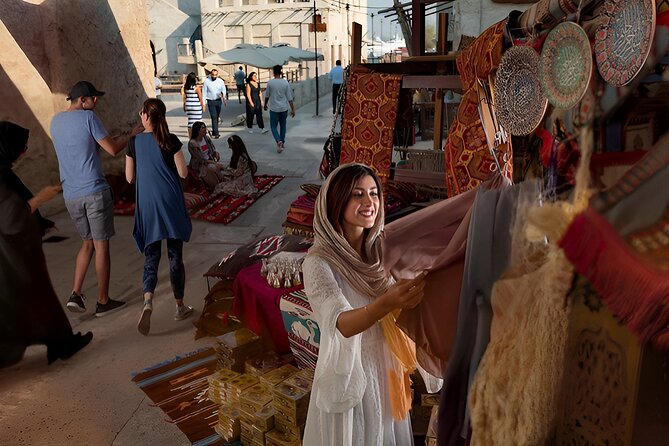
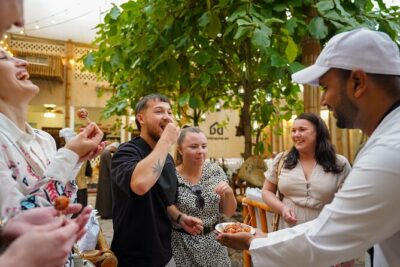
Next comes the Dubai Spice Souk, where the tour turns sensory fast. This market is famous for being colorful, aromatic, and built around the way spices are sold in heritage areas. You will walk among stalls with mounds of herbs and spices spilling from large baskets at the turns. That makes it much easier to understand what you are seeing, even if you have never cooked with Middle Eastern spice blends before.
The value of having a guide in this section is not just translation. It is confidence. You can chat with vendors, and your guide can help you navigate the flow so you do not feel lost in the crowd. You will also learn how spices are used, which turns random shopping into something more intentional.
You get about 50 minutes here. That is enough time to browse calmly and compare. It is also long enough that you might discover one or two spice mixes you actually want to take home, rather than buying purely for the novelty factor.
What about the drawback? Spice markets can move fast. If you are easily overwhelmed by smells, crowds, or strong displays, take it slow in the first few minutes. Start by looking and asking basic questions, then move deeper once you know the rhythm of the stalls.
A practical tip: if you plan to buy, decide early what role the spices will play for you back home. A small bag of a blend for cooking is easier to commit to than deciding on something complicated on the spot.
Gold Souk: Covered Walkways, Lots of Stores, and Smart Shopping Time
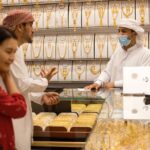
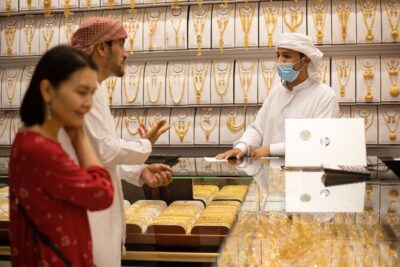
After the spice market, you hit the Dubai Gold Souk. This is where Old Dubai trade becomes a full visual sweep. It is a traditional souk, and it is also known as the city of gold. Expect a labyrinth of covered walkways, with hundreds of retailers along the way.
The practical reason this stop works in a guided format is the same reason it is hard solo: the Gold Souk is big. Even if you are not shopping, it helps to have time structured. With about 50 minutes allotted, you can see the main sections and compare what stands out without spiraling into decision fatigue.
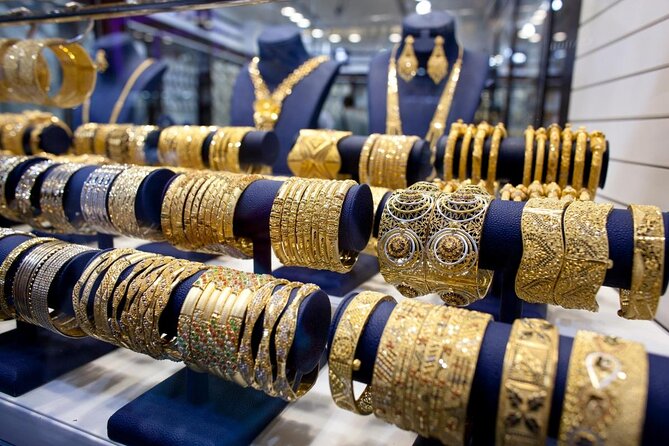
What you will find here is jewelry made from gold, silver, diamonds, and other precious metals and stones. Seeing the variety in person does more than make it pretty. It helps you understand the range of styles and price directions, so you can decide quickly what fits your budget if you are buying.
If you are not shopping for jewelry, you can still get a lot out of this stop. The covered corridors teach you how the market is designed for the local climate, with shade and a protected walkway system. That is part of why this place feels like it works year-round.
One consideration is that the Gold Souk can be a high-tempo shopping environment. If you want calm photos and no pressure, ask your guide to help you keep your visits efficient. The biggest advantage of having Muhammad is that he can help you move politely and handle conversations in the shops.
Muhammad, a Small Group, and a Pace That Feels Human
The biggest difference between a good souk walk and a great one is usually the guide, not the map. Here, the licensed local guide Muhammad is a major reason the experience earns strong ratings. The pattern across comments is consistent: he shares history and culture in a way that makes the area feel alive, and he stays attentive and responsive.
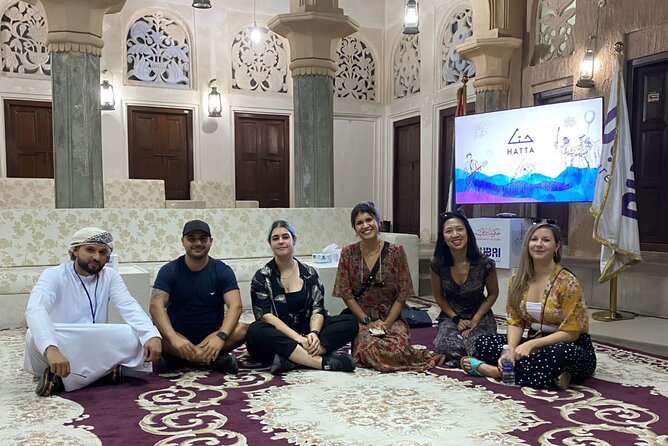
I like that the tour is set up for a maximum of 10 travelers. In markets, that small cap matters. You are not getting swept into a giant group rhythm. You can ask questions without feeling like you are holding everyone back, and you are more likely to get individual help when you want it.
Muhammad also seems to handle the reality of shopping environments. Several people describe him assisting in the souqs and helping with negotiating prices, including getting treated well during purchases. That is not a minor detail. In a place where every store wants your attention, a guide who can manage the tone can save you stress and make the whole experience more comfortable.
The day is about 3 hours total, with short stops that add up. That duration is smart for Old Dubai because it gives you enough time to feel the key areas without turning it into a full-day commitment. If you are on a tight schedule, this kind of half-day structure can be a lifesaver.
There is also a flexibility angle. Your guide can tailor the trip to match what you want, which is useful if you care more about architecture in Al Fahidi or you want more shop time in Deira.
Price, Value, and Why This Works as a Short Stopover
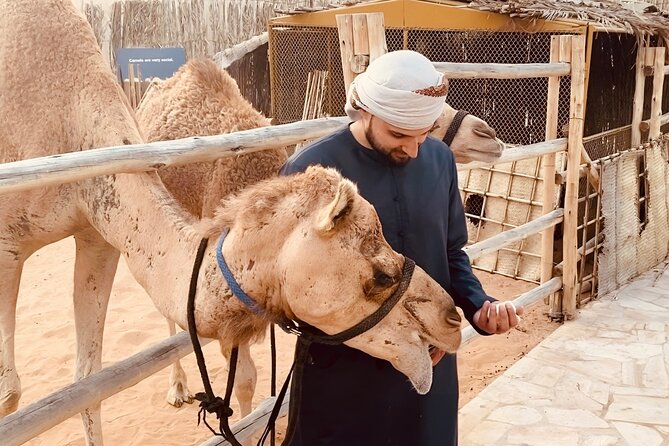
At $33.21 per person for about 3 hours, this is priced like a focused, guided introduction rather than a long, premium excursion. The value improves when you look at what is included: admission tickets are part of the main stops, including Al Fahidi, the abra ride, the Spice Souk, and the Gold Souk segments.
In practical terms, you are paying for three things at once:
- A licensed guide who can connect the dots between old architecture and active markets
- Time savings in a tricky area where it is easy to wander randomly
- Included access components across several key locations
Also, the tour being booked around 46 days in advance suggests it is popular enough that you should not treat it like a last-minute gamble. If you want a specific day or you are traveling during peak dates, booking earlier keeps your options open.
The mobile ticket format is another small value item. It means fewer paper hassles when you arrive. And because the start and end points are in the Al Fahidi to Deira corridor, you can plug this into the rest of your Dubai days without complicated backtracking.
- Dubai: Red Dune Safari, Quad Bike, Camel Ride, BBQ Dinner★ 4.9 · 32,185 reviews
- Dubai: Premium Safari, Camel Ride & Al Khayma Camp 3-Buffets★ 4.9 · 30,335 reviews
- Dubai: Burj Khalifa Sky Level 148, 124, & 125 Entry Ticket★ 4.6 · 23,827 reviews
- Dubai Red Dunes ATV, Camels, Stargazing & 5* BBQ Al Khayma Camp★ 5.0 · 21,620 reviews
- Dubai Marina: Luxury Yacht Tour with Breakfast or BBQ Option★ 4.7 · 21,528 reviews
Practical Notes Before You Go: Weather, Walking, and Making Smart Choices
This experience needs good weather. That is worth taking seriously because your route depends on outdoor time in Old Dubai neighborhoods and market lanes. If you are planning it for a day when conditions might shift, build in a bit of flexibility.
Most travelers can participate, and the tour is near public transportation. That matters because you are not locked into a full private logistics plan. You can get to the start at Al Fahidi Historical Neighbourhood and finish near the Gold Souk area at Deira and Al Ras.
Because the day is built around short walks between stops, think about comfort. Markets involve standing, turning corners, and moving between covered and open areas. Wear comfortable footwear and keep your hands free so you can browse without juggling bags and devices.
Finally, set your shopping expectations. In Spice Souk and Gold Souk, you are in a sales environment. If you want to buy, go in with a simple plan, a budget, and a target item or spice use case. If you do not want to buy, tell your guide your priorities early and let him keep your path efficient.
Should You Book This Old Town Tour Route?
Book it if you want a guided shortcut into Old Dubai that covers the most meaningful pieces in a short time: Al Fahidi for traditional neighborhood layout, a Dubai Creek abra ride for how locals historically crossed and connected markets, plus Spice Souk and Gold Souk for the practical trading side of Deira.
Skip it or consider another option if you hate walking through crowded market areas or if you have no interest in shopping conversations. Also, take the weather requirement seriously. If the forecast looks poor, you may lose the day and need to reschedule.
If you do book, I would focus on two goals: ask Muhammad to connect what you see in Al Fahidi to why the Creek and souks grew where they did, and use the Spice Souk time to learn what spices you would actually use at home.
FAQ
How long is the tour?
It runs for about 3 hours.
What does the tour cost?
The price is $33.21 per person.
What locations are included?
You visit Al Fahidi Historical Neighbourhood, Deira Old Souk Abra Station (for an abra ride), Dubai Spice Souk, and Dubai Gold Souk.
Are tickets included?
Admission tickets are included for the stops mentioned in the experience details.
Where does the tour start and end?
It starts at Al Fahidi Historical Neighbourhood in Dubai and ends at Dubai Gold Souk in the Deira and Al Ras area.
Is there a group size limit?
Yes. The tour has a maximum of 10 travelers.
Will I get a mobile ticket?
Yes, the experience uses a mobile ticket.
Is the tour dependent on weather?
Yes. It requires good weather, and if it is canceled due to poor weather, you will be offered a different date or a full refund.
What is the cancellation policy?
You can cancel for free up to 24 hours in advance for a full refund. Canceling less than 24 hours before the start time is not refundable.
Who guides the experience?
A licensed local tour guide named Muhammad leads the tour.
The Creek, the Souks, the Old Side


More of Dubai, written up the same way


Old Dubai, Creek & Souks, compared.
 ★ 4.8Old Town, Creek, Museums, Souks, & Street Food TourFrom $1810,816 reviews
 ★ 4.9Old Town, Souks, Street Food, Guided Tour & Abra RideFrom $97,170 reviews
 ★ 4.8Frame Tickets, Creek, Souks & Blue Mosque Guided TourFrom $495,980 reviews
 ★ 5.0Dubai Aladdin Tour: Souks, Creek, Old Dubai and TastingsFrom $213,755 reviews
 ★ 4.8Half-Day City Tour with Blue Mosque, Creek, and SouksFrom $493,059 reviews
 ★ 4.0Dubai Half-Day City Tour with Visit to Dubai Gold SoukFrom $161,741 reviews
★ 5.0Old Town, Souks, Street Food, Guided Tour & Abra RideFrom $171,664 reviews
★ 4.0Dubai Half-Day City Tour with Visit to Dubai Gold SoukFrom $161,741 reviews
★ 5.0Old Town, Souks, Street Food, Guided Tour & Abra RideFrom $171,664 reviews
 ★ 4.9Old Town, Street Food, Creek, Souks, & Emirati HouseFrom $61,496 reviews
Browse the lists this tour appears in