
REVIEW · DUBAI
Dubai: Old Town Walking Tour with Abra Cruise & Street Food
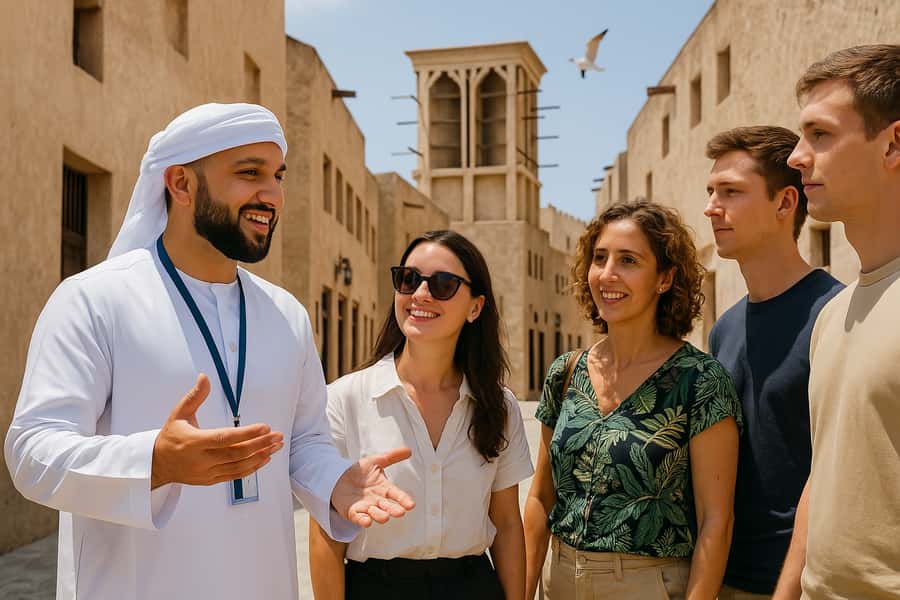
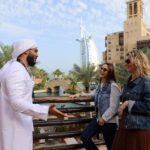
Old Dubai slows time for your feet. This tour pairs a guided walk through the Al Fahidi District with an Abra water taxi crossing Dubai Creek, so you get traditional scenes and souk culture in one smooth loop. I especially like how guides such as Muhammad Bilal and Abdulla explain what you are seeing, not just the locations, plus the route includes Arabic coffee, street food, and camel milk chocolate. One consideration: this is real walking, and it is not suitable for people with mobility impairments, wheelchair users, or anyone traveling with baby strollers or luggage.
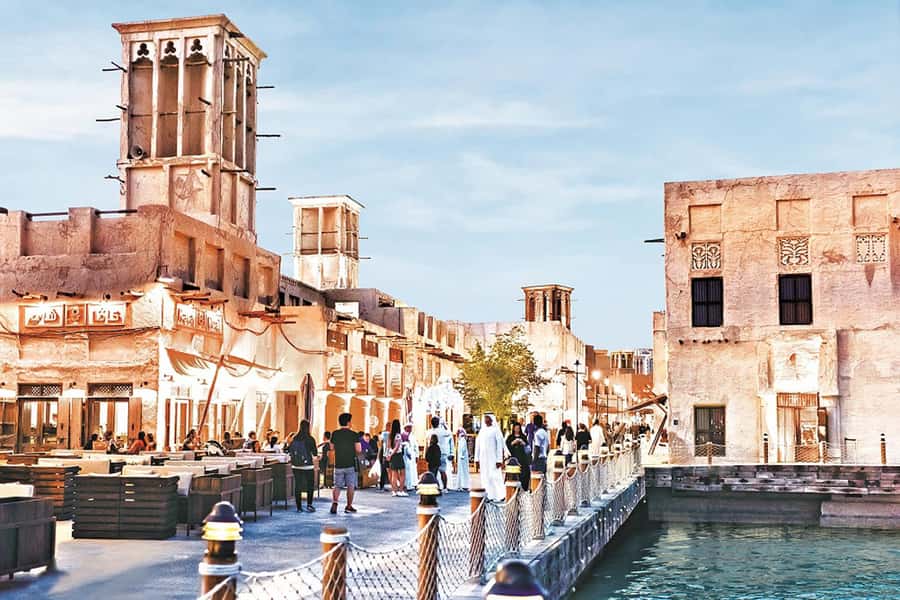
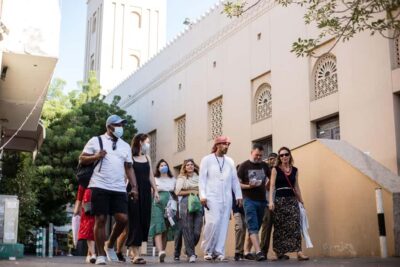
You start at Wokyo Noodle Bar in Al Seef, then work your way into the lanes and courtyards where heritage buildings and market life sit close together. The stops are a nice mix, from the Old Mosque and the remnants of the Old Wall to the Dubai Museum, before you head to the Textile Souk, Gold Souk, and spice market. If you are heat-sensitive, pack for the sun, because you will be outdoors for a good chunk of the experience.
For about $26 per person, the value is strong because the major “fun pieces” are included, not add-ons. You are getting the guide, the street bites, Arabic coffee, water, and the Abra crossing as part of the price, and you can opt for a private experience if you want different logistics.
In This Review
- 5 reasons this Old Town tour works so well
- Where you meet in Al Seef, and why that matters
- Al Fahidi District: walking in the shade of history
- The Old Mosque and Old Wall remnants: architecture with a story
- Dubai Museum: relics, artifacts, and real context
- Textile Souk: fabrics, color, and learning how the market works
- Dubai Creek by Abra: the short boat ride that changes the whole mood
- Gold Souk: seeing the market energy up close
- Spice market: the flavors you can actually bring home
- Included eats and drinks: Arabic coffee, street food, and camel milk chocolate
- Shopping help that actually feels useful
- Price and value: $26 is not the whole story
- Who this tour suits best, and who should skip it
- Practical planning: what to bring and how to stay comfortable
- Should you book Dubai’s Old Town walking tour with Abra and street food?
- FAQ
- Where is the meeting point for the Dubai Old Town walking tour?
- How do I get to the meeting point by metro?
- What is included in the tour price?
- Is hotel pickup included?
- What should I bring for the walking portion?
- Is this tour suitable for children or strollers?
- Is the tour accessible for people with mobility impairments?
5 reasons this Old Town tour works so well
A guided loop that links heritage buildings to today’s markets: Al Fahidi to the souks makes the city feel logical, not random.
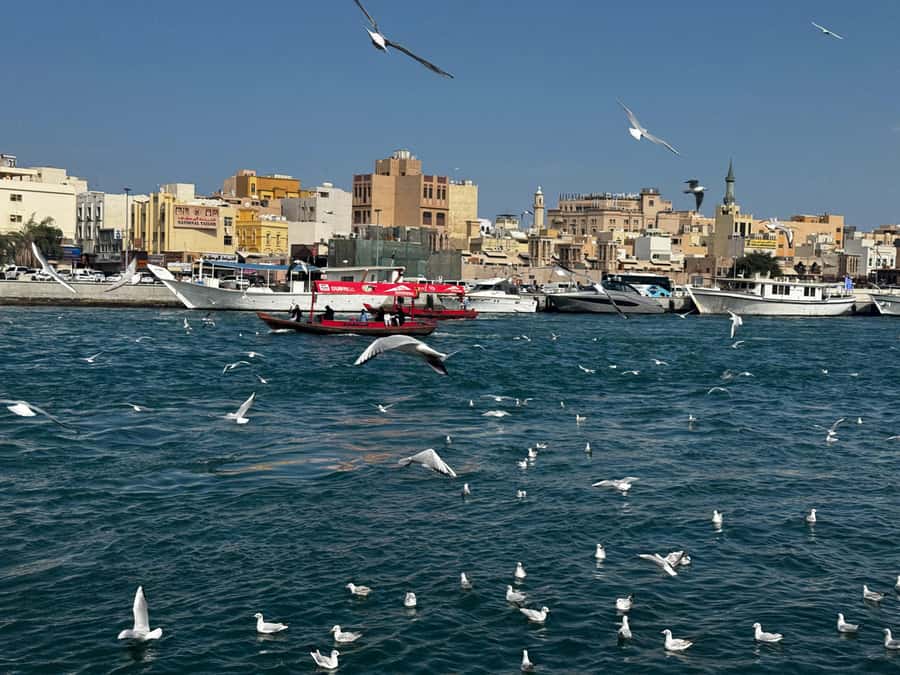
Abra crossing Dubai Creek: you get a different angle without paying for a separate boat trip.
Street food plus Arabic coffee: included stops help you try local flavors instead of just window-shopping.
Souk guidance that helps with shopping confidence: guides can steer you to better places and help you bargain more comfortably.
Small-group feel: it stays personal enough to ask questions and move at a human pace.
Deeper into the old side of the creek
- Dubai: Old Town, Creek, Museums, Souks, & Street Food Tour
★ 4.8 · 10,816 reviews - Dubai: Old Town, Souks, Street Food, Guided Tour & Abra Ride
★ 4.9 · 7,170 reviews - Dubai: Frame Tickets, Creek, Souks & Blue Mosque Guided Tour
★ 4.8 · 5,980 reviews - Dubai Aladdin Tour: Souks, Creek, Old Dubai and Tastings
★ 5.0 · 3,755 reviews
Where you meet in Al Seef, and why that matters
The tour meets in front of Wokyo Noodle Bar in Al Seef. It is a convenient starting point because Al Seef sits right by Dubai Creek, so the whole route feels connected from the first step.
If you are using transit, the closest station is Sharaf DG Metro Station on the Green Line, followed by a short walk to Al Seef. If you are in a taxi or using Uber, just set your GPS to Wokyo Noodle Bar in Al Seef. Aim to arrive 10 minutes early so you are not rushing in the heat.
I like starting here because you do not need to fight complicated transfers. You show up, meet your guide, and get straight into Old Dubai, with the Creek and souks not far off.
Al Fahidi District: walking in the shade of history
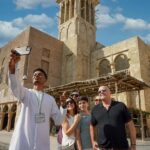
Your morning or afternoon really begins in the Al Fahidi District, an area known for older-style Arabian architecture. You get to see how the buildings are shaped by climate and life outdoors, and that context is what makes the rest of the tour click.
This stretch includes a mix of heritage spaces that can include museums and art galleries, and there is even mention of a coffee museum in the area. The guide’s job here is to point out details you might miss on your own, like the way older structures reflect Emirati life.
You will also get a clear view of how the city’s “old” and “new” are sitting side by side. One review highlight was learning about the contrast between traditional houses and modern features like wind towers, and that contrast is visible as you move.
The Old Mosque and Old Wall remnants: architecture with a story
After you settle into the district, the tour highlights key heritage sites. One of the early anchors is the Old Mosque, where you can admire the architecture and understand its role in the community.
Next comes a stop at remnants of the Old Wall, built around 1800 AD. Seeing something like that in person does two things: it grounds the tour in time, and it helps you realize Dubai’s growth did not erase the past, it layered on top of it.
This part is also a good “breather” if you like photos but do not want to treat the trip as a checklist. You can slow down, look closely, and let the guide explain how people lived before the modern skyline took over the headlines.
Dubai Museum: relics, artifacts, and real context
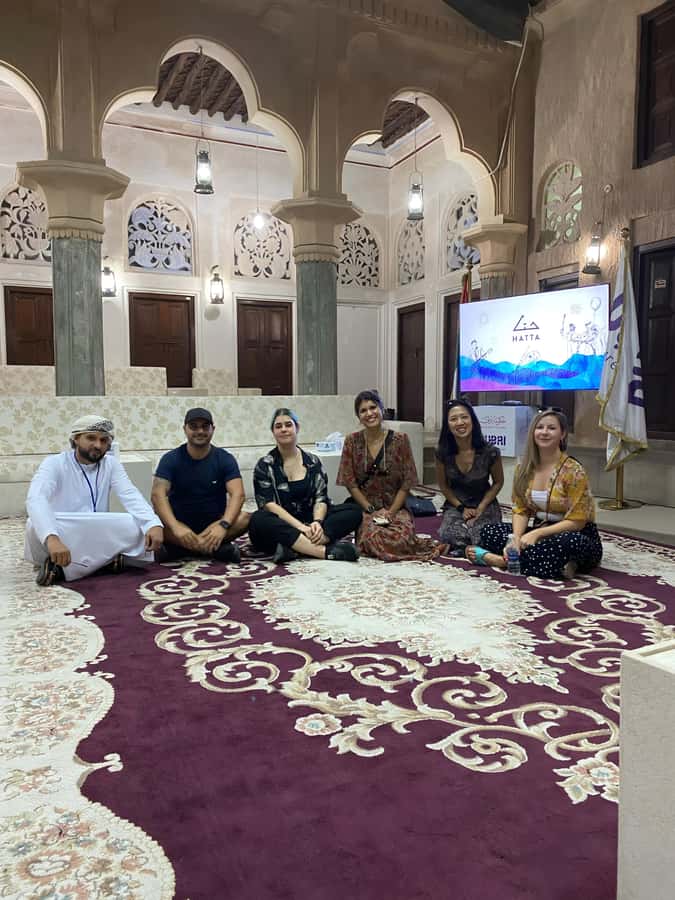
From heritage streets, you move into the Dubai Museum, where you can explore relics and artifacts tied to Emirati civilization. The point is not just to see objects, it is to connect them to what you are already walking past.
I like museum moments on walking tours when they help you interpret street-level details. Here, the museum stop gives you context before you hit the trading areas, so you understand why souks are more than shopping streets.
If you prefer quick visits, you should still plan time to see the main highlights. This stop is usually most valuable when you listen to the guide’s framing, because it turns “stuff behind glass” into “why this matters.”
Textile Souk: fabrics, color, and learning how the market works
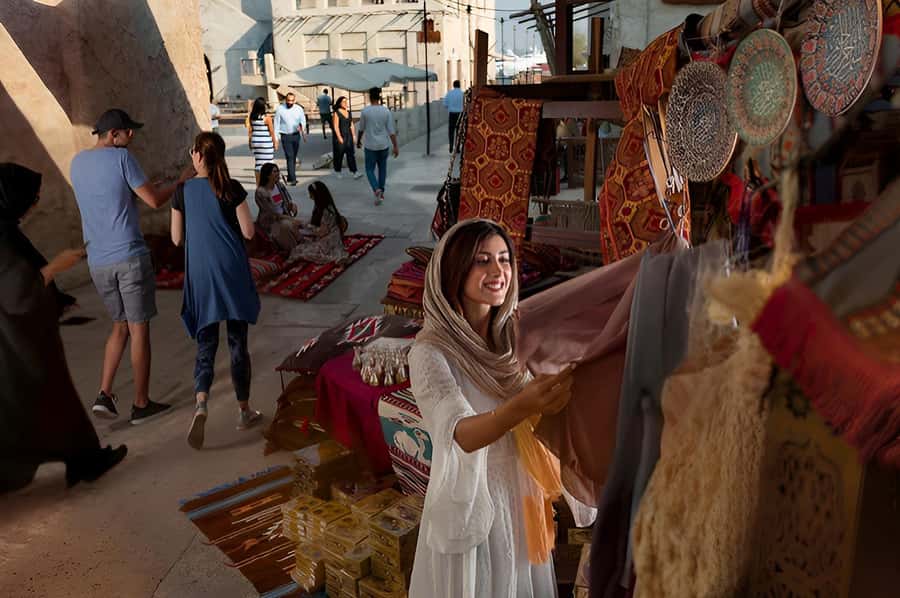
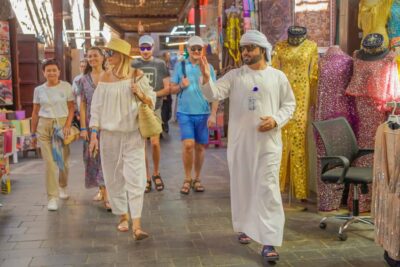
Next up is the Textile Souk, where you get a feast for the eyes in fabric colors and patterns. This stop is a smart move because textiles teach you the logic of souk shopping: material, craftsmanship, and bargaining all play roles.
You get to watch how vendors present products and how shoppers ask questions. If you have never bartered in a souk, this is one of the easiest places to start learning without feeling too overwhelmed.
This is also where having a guide can save you money and stress. One thing I took from the experience style is that guides like Muhammad Bilal actively help you shop, including advice for negotiating and finding better prices in the market.
Dubai Creek by Abra: the short boat ride that changes the whole mood
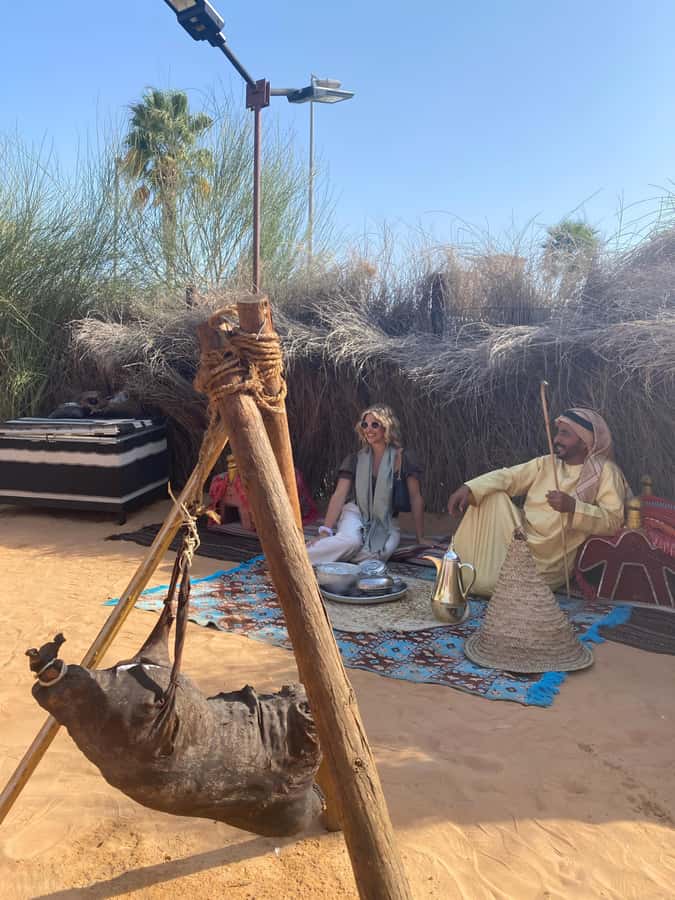
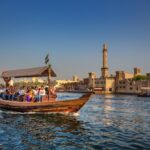
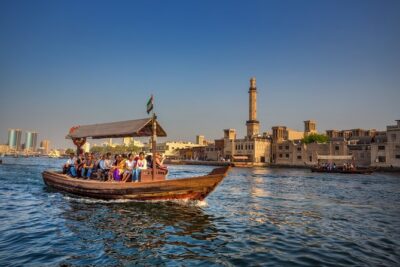
Then you hop on a traditional Abra to cross Dubai Creek. This is not just a scenic add-on. It is a practical break from walking and a quick way to shift your perspective from street level to water level.
On foot, everything feels close and detailed. By Abra, you get that wider sense of Dubai Creek, plus a reminder that Dubai grew with trade routes. The crossing also helps your energy level, which matters because the second half of the tour includes the biggest shopping zones.
If you are the type who hates long transportation segments, this is a good compromise. You are moving, but it stays short and focused.
More Dubai tables we sat down at
- Dubai: Old Town, Souks, Street Food, Guided Tour & Abra Ride★ 5.0 · 1,664 reviews
- Dubai: Old Town, Street Food, Creek, Souks, & Emirati House★ 4.9 · 1,496 reviews
- Old Dubai: Premium Guided Tour with Street Food & Abra Ride★ 4.9 · 416 reviews
- Dubai Top Highlights: Frame Entry, Souks, Abra & Street Food★ 4.8 · 344 reviews
- Dubai: Premium Old Town, Street Food, Souks & Boat Ride Tour★ 4.9 · 262 reviews
Gold Souk: seeing the market energy up close
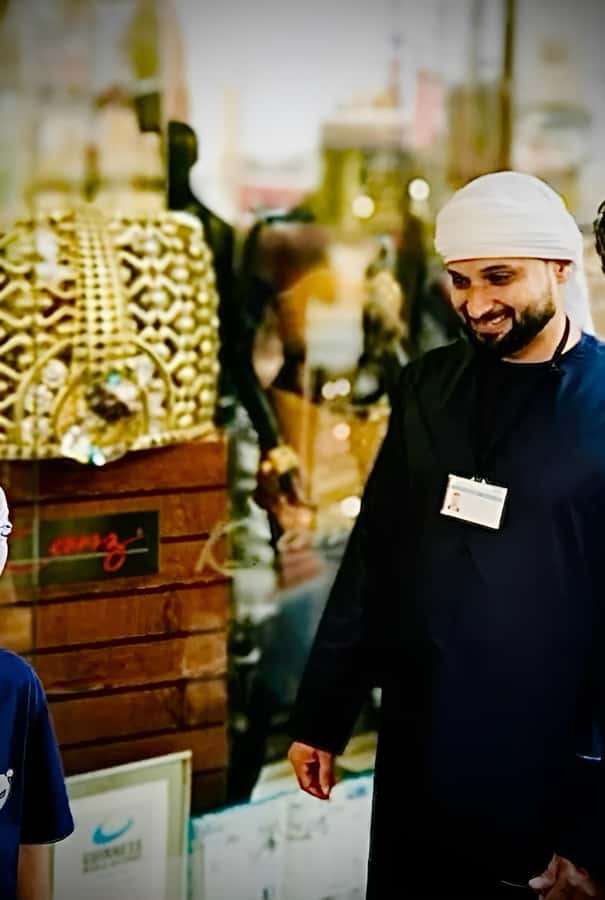
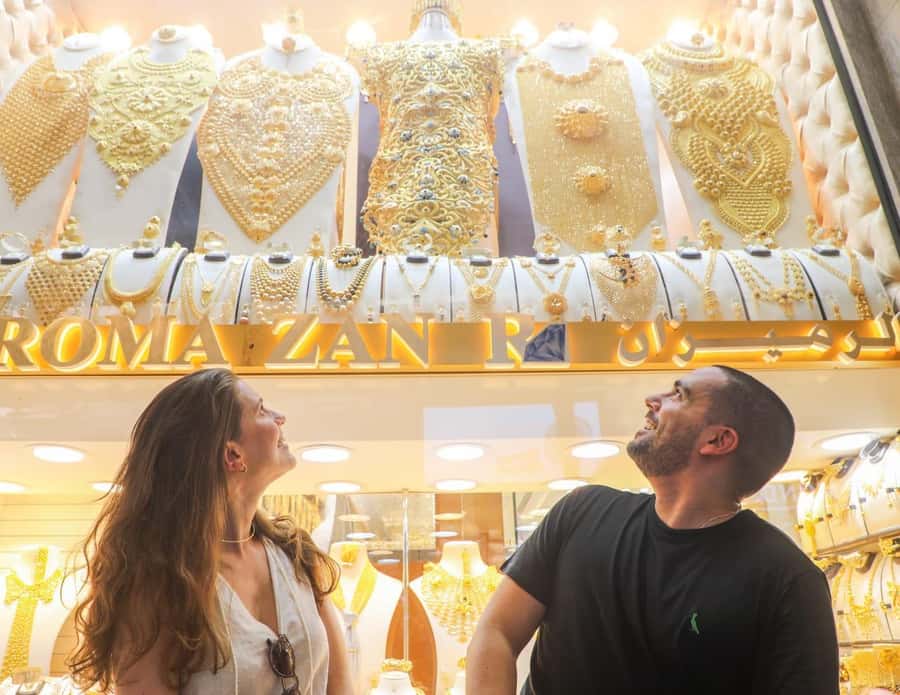
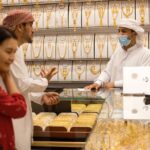
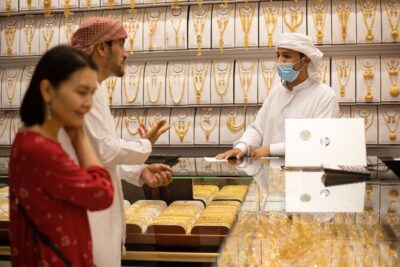
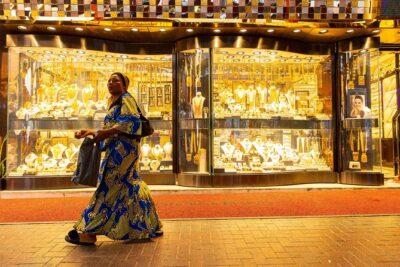
After the Abra crossing, you head to the Gold Souk, one of the best-known markets in Dubai. It is described as one of the largest gold retail markets in the world, and on the ground it feels like a place where people come with purpose.
This is the stop you will likely remember later, because it is all color, shine, and decision-making. The guide’s value here is simple: they help you navigate the space and understand what you are looking at, so you do not just get pulled from shop to shop without a plan.
Also, if you like the idea of shopping but dislike pressure, you can use the tour structure as your shield. Instead of wandering alone, you have a guided path and time built around a few key market experiences.
Spice market: the flavors you can actually bring home
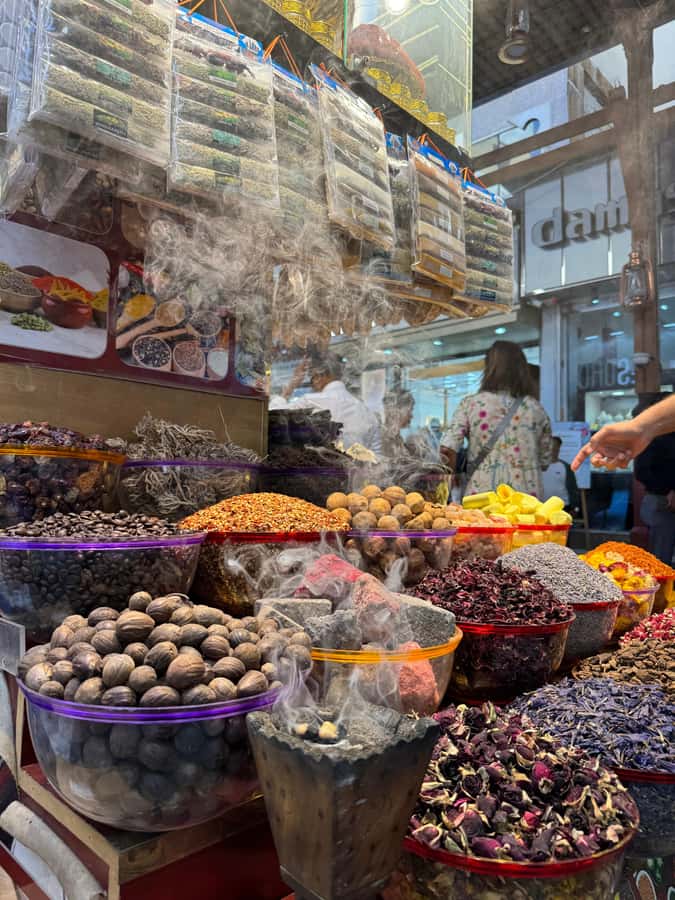
Next comes the spice market, where vendors sell exotic spices and you get a feel for Middle Eastern flavors. Even if you do not cook much, this stop is one of the easiest ways to take Dubai’s culture beyond photos.
You can learn how vendors package and present spices, and you can use this as a shopping moment that makes sense. Gold is flashy and expensive; textiles can be personal; spices are practical gifts and pantry upgrades.
I also like that this stop is included toward the end, because your senses are already awake. After seeing gold and fabrics, the smell of spices gives your brain a new kind of information and makes the experience feel complete.
Included eats and drinks: Arabic coffee, street food, and camel milk chocolate
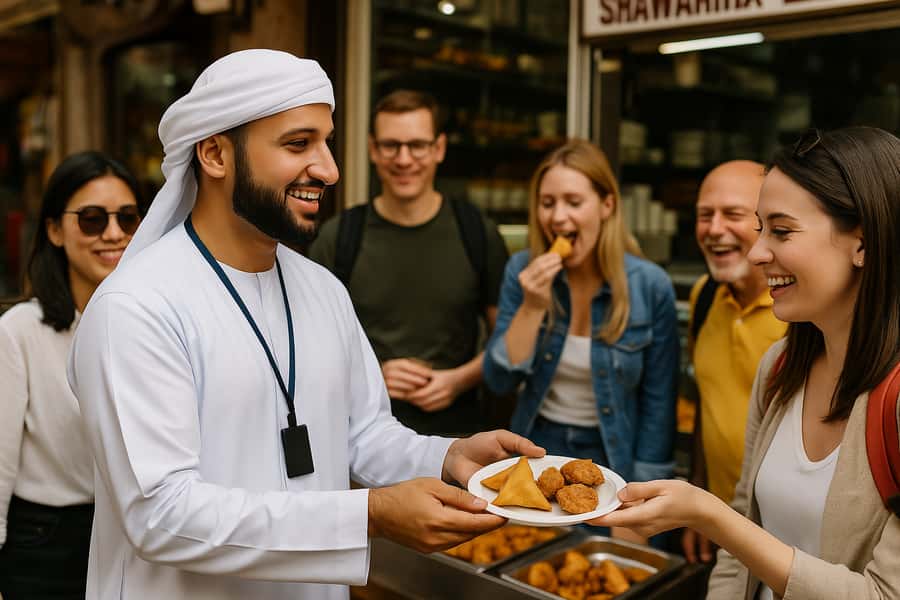
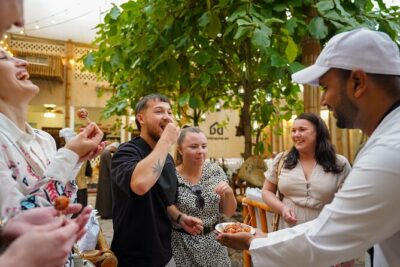
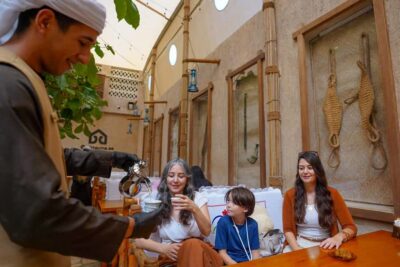
This tour includes a thoughtful mix of food and drinks: Arabic coffee, street food, water, and camel milk chocolate. That combination is great for two reasons.
First, you are not stuck guessing what is safe or worth trying. Your guide brings you into the flow of local snacking at the right times. Second, the included items help you budget, because you are not constantly buying extra refreshments.
How I’d pace it: take sips of Arabic coffee, have a couple bites of street food, then leave room for camel milk chocolate at the end of one of the market segments. That way you do not feel like you are eating nonstop while trying to shop.
If you want to bring home food souvenirs, spice market is the natural place. If you want a smaller, easier-to-transport treat, camel milk chocolate is the built-in option.
Shopping help that actually feels useful
A big theme in the experience is guidance that improves your odds in the souks. Some of the best moments described were about bartering comfort and better pricing, helped by guides who know how to work with vendors without you feeling out of place.
This matters because the souks can be intimidating if you go in cold. A guide can also help you avoid common mistakes, like buying the first item you like without understanding how pricing works in that specific stall area.
I also appreciate that shopping advice is treated as part of the tour, not an afterthought. The whole route is set up so you can compare different market types in a single afternoon, from textiles to gold to spices.
Price and value: $26 is not the whole story
At $26 per person, this tour can be a strong deal, mainly because you are not paying extra for the major experience components. You get the guide, Arabic coffee, street food, Abra crossing, water, and camel milk chocolate as part of the price.
Here is the practical way to think about value. If you tried to recreate it on your own, you would still spend money on a guide for navigation and context, plus you would likely pay separately for a water taxi ride and snacks. Add in that the guide helps you shop smarter in the souks, and the cost starts to make sense.
One more value angle is time. Old Dubai can be confusing when you are trying to find the right streets, so a guided loop helps you get more out of every hour.
Who this tour suits best, and who should skip it
This experience fits best if you want a guided Old Town structure with a mix of culture and shopping. It is also a nice choice if you like short transit moments and hate the idea of a long day of only walking.
It is less suitable if you have mobility limitations. It is explicitly not suitable for people with mobility impairments, and it is not for wheelchair users. Baby strollers are also not allowed, and luggage or large bags are not allowed either.
If you travel with small kids, note that it is not suitable for children under 2 years. And bring comfortable shoes, because you will be on foot through the Al Fahidi District and souk areas.
If you want low-pressure sightseeing, you might also like this tour. It is not described as a frantic race through dozens of stops. It moves with enough rhythm to let you look, ask questions, and try food along the way.
Practical planning: what to bring and how to stay comfortable
Plan for warm, sunny weather. The recommended gear is comfortable shoes, sunglasses, and a sun hat, plus comfortable clothing.
Also, travel light. No baby strollers and no luggage or large bags are allowed. That is one of the biggest practical considerations for anyone who wants to bring a day bag or has multiple carry-ons.
Language support includes Spanish and English, so you should be able to get clear answers even if English is not your first language.
Should you book Dubai’s Old Town walking tour with Abra and street food?
I would book this tour if you want Old Dubai to feel understandable fast. The combination of heritage architecture, a museum context moment, and then souks with food gives you a complete picture of how this city trades, celebrates, and remembers.
Skip it if you cannot do steady walking, if you need stroller access, or if you are traveling with luggage and do not want to manage the no-large-bag rule. Also, if you dislike shopping culture entirely, you might find the Gold and Textile stops a bit much, though the guided flow helps you stay in control.
If you are deciding between doing Old Dubai alone versus with a guide, this one is built for your time. At this price, with the Abra crossing and included tastings, it is a practical way to cover a lot of meaningful ground without turning the day into a puzzle.
FAQ
Where is the meeting point for the Dubai Old Town walking tour?
The meeting point is in front of Wokyo Noodle Bar in Al Seef.
How do I get to the meeting point by metro?
The closest metro station is Sharaf DG Metro Station on the Green Line, followed by a few minutes’ walk to Al Seef.
What is included in the tour price?
The tour includes a guide, Arabic coffee, street food, an Abra water taxi trip, water, and camel milk chocolate.
Is hotel pickup included?
Hotel pickup and drop-off are not included unless you choose the private option.
What should I bring for the walking portion?
Wear comfortable shoes and bring sunglasses and a sun hat. Comfortable clothes are also recommended.
Is this tour suitable for children or strollers?
It is not suitable for children under 2 years, and baby strollers are not allowed.
Is the tour accessible for people with mobility impairments?
No. The tour is not suitable for people with mobility impairments and it is not for wheelchair users.
Emirati Tables We Sat Down At

The Creek, the Souks, the Old Side

More of Dubai, written up the same way



Old Dubai, Creek & Souks, compared.
 ★ 4.8Old Town, Creek, Museums, Souks, & Street Food TourFrom $1810,816 reviews
 ★ 4.9Old Town, Souks, Street Food, Guided Tour & Abra RideFrom $97,170 reviews
 ★ 4.8Frame Tickets, Creek, Souks & Blue Mosque Guided TourFrom $495,980 reviews
 ★ 5.0Dubai Aladdin Tour: Souks, Creek, Old Dubai and TastingsFrom $213,755 reviews
 ★ 4.8Half-Day City Tour with Blue Mosque, Creek, and SouksFrom $493,059 reviews
 ★ 4.0Dubai Half-Day City Tour with Visit to Dubai Gold SoukFrom $161,741 reviews
★ 5.0Old Town, Souks, Street Food, Guided Tour & Abra RideFrom $171,664 reviews
★ 4.0Dubai Half-Day City Tour with Visit to Dubai Gold SoukFrom $161,741 reviews
★ 5.0Old Town, Souks, Street Food, Guided Tour & Abra RideFrom $171,664 reviews
 ★ 4.9Old Town, Street Food, Creek, Souks, & Emirati HouseFrom $61,496 reviews
Browse the lists this tour appears in