
REVIEW · DUBAI
Explore the Backstreets of Old Dubai with an Insider
Old Dubai has a pulse, not just photos.
This half-day walk gives you the real side of Dubai, with a small group (12 or fewer) and an abra ride that shows the city from water level. You trade the skyline hype for streets, neighborhoods, and everyday culture.
Two things I really like here are the stop-by-stop way the souks are handled and the time spent in Al Bastakiya. You get an easy rhythm of shopping lanes, then wind-towered lanes in Al Bastakiya plus an included lunch that feels local instead of cafeteria-style.
One thing to consider: this is still a walking and standing tour in warm weather, so plan for some pace and heat. Bring comfortable shoes and light clothing, because Deira’s streets can be sun-heavy and crowded.
In This Review
- Quick hits before you go
- Why Old Dubai Still Feels Real in Deira and Bur Dubai
- Meeting at Al Fahidi and Starting on the Right Side of the City
- Deira Souks: How Shopping Actually Works Here
- Haggling Without Feeling Fake: The ktir ghalee Tip
- Dubai Creek by Wooden Abra: The View Everyone Remembers
- Al Bastakiya and the Persian Merchant Lanes You Don’t Find on Brochures
- Grand Bur Dubai Masjid: What to Expect as a Visitor
- Outside the Now-Closed Dubai Museum: A Quick Time Travel Moment
- Al Fahidi Lunch: Traditional Food, Pre-Ordered and Served Sharing-Style
- How the Walking Pace Really Feels on the Ground
- Price and Value: What $118.62 Buys You in Real Terms
- Who This Tour Suits Best
- Practical Tips for Souk Cramming, Heat, and Shopping Wins
- Should You Book This Old Dubai Tour?
- FAQ
- How long is the Old Dubai walking tour?
- What does the tour include for food and drinks?
- Are entrance fees included?
- Is hotel pickup and drop-off included?
- How big is the group?
- What time is the tour and are there different departure options?
- What about dietary requirements for lunch?
- Is there a mosque dress requirement?
- What should I bring for the walk?
Quick hits before you go
- Abra ride across Dubai Creek for skyline views and a quick reset from market noise
- Souk shopping with real haggling language, including ktir ghalee (too expensive)
- Spice Souk smells and stories, from saffron to chocolate dipped dates
- Gold Souk stroll through 300+ shops and the cultural reason people shop there
- Al Bastakiya wind towers and Persian merchant roots in restored lanes
- Grand Mosque visit with guidance on how visitors should behave and dress
Deeper into the old side of the creek
- Dubai: Old Town, Creek, Museums, Souks, & Street Food Tour
★ 4.8 · 10,816 reviews - Dubai: Old Town, Souks, Street Food, Guided Tour & Abra Ride
★ 4.9 · 7,170 reviews - Dubai: Frame Tickets, Creek, Souks & Blue Mosque Guided Tour
★ 4.8 · 5,980 reviews - Dubai Aladdin Tour: Souks, Creek, Old Dubai and Tastings
★ 5.0 · 3,755 reviews
Why Old Dubai Still Feels Real in Deira and Bur Dubai
Dubai can feel like a theme park if you only do the big icons. This tour goes the other direction, toward Deira’s older residential and souk quarters where daily life is the main event.
I like that you get a guided path instead of being dumped into a market and told good luck. The pacing helps you notice details that you’d normally miss, like how neighborhoods grew around trade and how people used landmarks and buildings for practical reasons.
There’s also a cultural through-line. You’re not just shopping for souvenirs, you’re learning why these places developed, how people worked, and how local customs still shape what you see on the streets.
Meeting at Al Fahidi and Starting on the Right Side of the City
You meet near Sharaf DG Metro Station in Bur Dubai, at the Al Shindagha Museum Drop-Off point in the Al Fahidi area. Morning starts at 9:00 am, and there’s also an afternoon option depending on the day.
Starting in this part of town matters. Deira’s souks and the creek are close enough to connect smoothly, but you still get enough walking to feel like you’re moving through the city, not hopping between pins on a map.
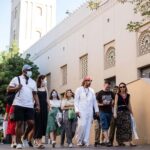
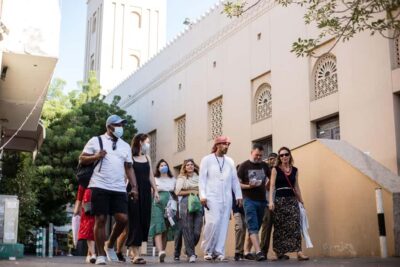
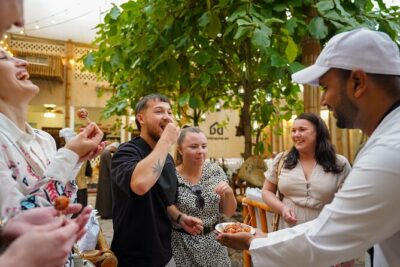
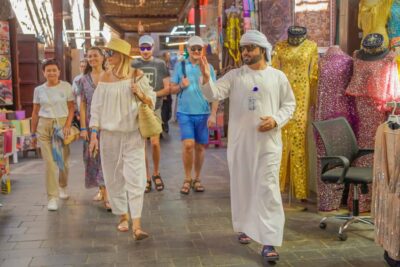
The group is small, and that changes the vibe. With 12 or fewer people, it’s easier to hear your guide, ask questions, and follow along when the route gets narrow.
Deira Souks: How Shopping Actually Works Here
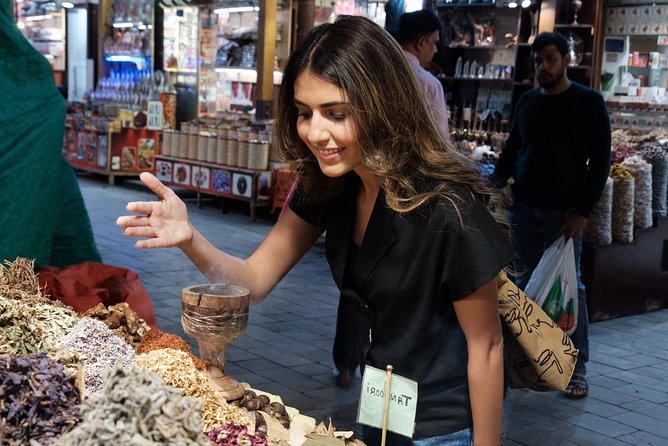
Deira’s souks are where Dubai turns sensory. Spice, textiles, gold, and the constant sound of vendors calling out details all come together fast, and it can feel overwhelming if you go in alone.
On this tour, the shopping stops come with context. In the Spice Souk, you learn what spices come from and why different items show up in Emirati kitchens and daily life. You’ll also get time to browse the stalls selling everything from saffron to chocolate dipped dates.
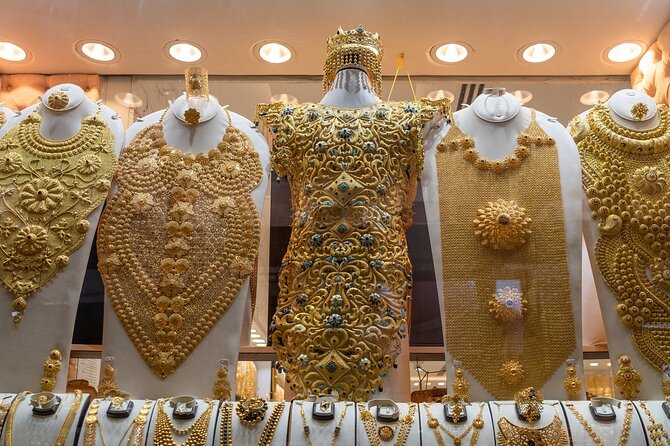
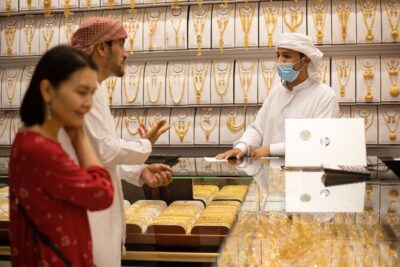
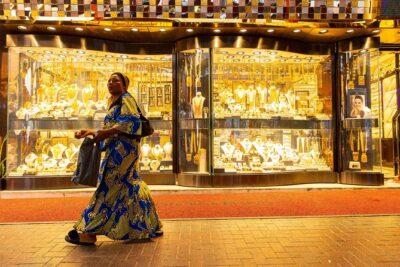
Then comes the Gold Souk, Dubai’s oldest market with covered walkways and 300+ shops. Even if you’re not buying jewelry, it’s worth seeing how festive occasions affect demand and what people look for when they’re shopping with intention, not just for spectacle.
You also visit the Textile Souk, which is a great change of pace. Here, you learn about national dress for men and women, and how garments are worn. It’s practical, not just museum talk, because you can actually connect the explanation to what you’re seeing on fabric and on clothing displays.
Haggling Without Feeling Fake: The ktir ghalee Tip
If you’re nervous about bargaining, you don’t need to be. Your guide gives you simple, workable lines and a process for negotiating without turning it into a stressful game.
A key tip you’ll hear is ktir ghalee, which means too expensive. It’s a good opening gambit because it frames the conversation as a starting point, not a personal insult.
If you do plan to buy, don’t rush. Souks move quickly, and the best deals usually come from comparing a couple of shops, not from grabbing the first thing you like. This tour gives you enough structure to do that while still keeping the day on schedule.
Dubai Creek by Wooden Abra: The View Everyone Remembers
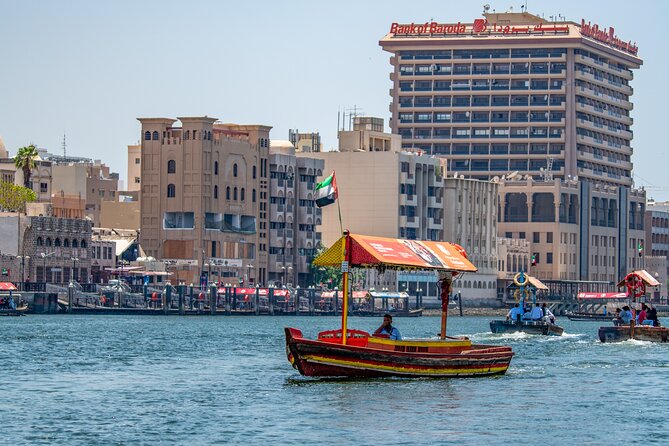
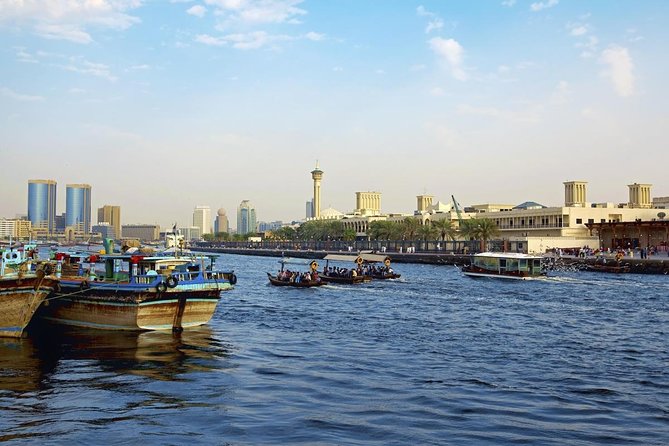
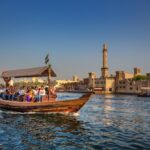
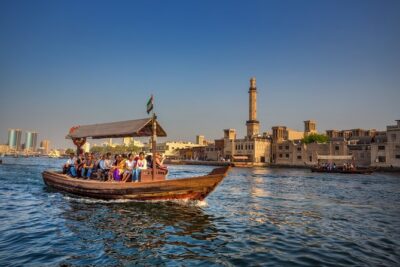
The abra ride is short, but it’s one of those “why didn’t I do this earlier” moments. You board the wooden boat across Dubai Creek and get a timed ride that lets you see Deira’s high-rises from water level.
This stop works because it resets your eyes. After tight streets and stall displays, the creek looks open and slow. You also get a classic Dubai photo, but with a useful twist: you’re seeing how the city’s trade geography shaped where people built and lived.
And yes, it’s iconic. Still, the practical value is that you get a moving landmark in the middle of a walking tour, which keeps the route from feeling like one long shopping circuit.
Al Bastakiya and the Persian Merchant Lanes You Don’t Find on Brochures
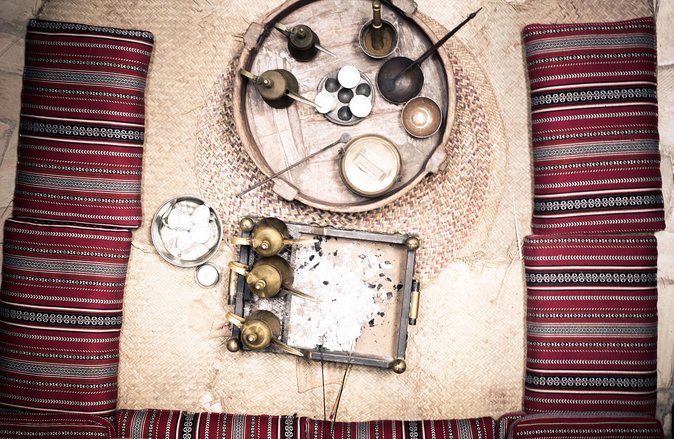
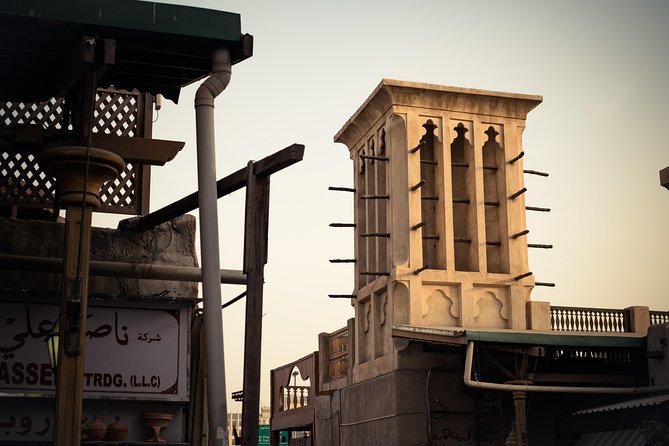
After shopping, you switch into a quieter, more human-scale Dubai. Al Bastakiya’s lanes are sand-colored, and the buildings include wind towers designed to help cool homes before modern air conditioning.
This is where the city’s older architecture makes sense. The wind towers aren’t a design flex, they are an environmental solution, and your guide points out the logic behind them as you walk.
You also learn that Al Bastakiya was founded in the early 1900s by Persian merchants. That detail matters because Dubai didn’t grow in isolation. The city’s culture and trading connections pulled people and ideas from nearby regions, and you can feel that influence when you walk through restored homes.
If you like photography, this is a good area to slow down. The lanes aren’t wide enough for big tourist buses, so the views are more intimate, more street-level, and more likely to show daily textures like doorways, walls, and small corners.
- Dubai: Red Dune Safari, Quad Bike, Camel Ride, BBQ Dinner★ 4.9 · 32,185 reviews
- Dubai: Premium Safari, Camel Ride & Al Khayma Camp 3-Buffets★ 4.9 · 30,335 reviews
- Dubai: Burj Khalifa Sky Level 148, 124, & 125 Entry Ticket★ 4.6 · 23,827 reviews
- Dubai Red Dunes ATV, Camels, Stargazing & 5* BBQ Al Khayma Camp★ 5.0 · 21,620 reviews
- Dubai Marina: Luxury Yacht Tour with Breakfast or BBQ Option★ 4.7 · 21,528 reviews
Grand Bur Dubai Masjid: What to Expect as a Visitor
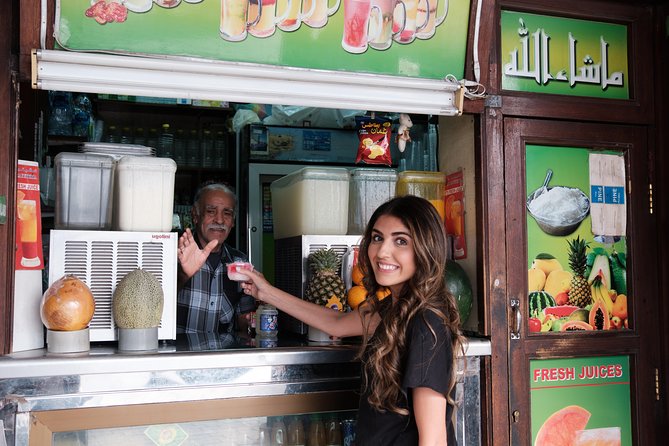
Islam is part of Dubai life, so a mosque stop is more than a sightseeing checkbox. You’ll visit the Grand Mosque in Bur Dubai, originally built in 1900 and devoted to the study of the Quran.
Your guide helps you understand core beliefs at a visitor level, and you’ll also see the architecture up close. There’s something grounding about pausing here, because it puts the city’s modern energy into perspective.
Dress matters. The tour includes garments for entry to the mosque, and you’ll be given what you need. Still, it’s smart to come ready with light clothing and a respectful mindset, since you’re entering a working place of worship.
Outside the Now-Closed Dubai Museum: A Quick Time Travel Moment
You’ll stop outside the now-closed Dubai Museum. The building was originally built in 1787 as the premises of the monarch, and it once served as a protective fort.
Even if you do not go inside, the exterior stop adds context. It helps you connect the dots between old Dubai as a trading town and the way leaders defended communities when threats were real.
Think of it as a short history anchor between active walking zones. It’s brief, but it gives you a framework for how this area used to function.
Al Fahidi Lunch: Traditional Food, Pre-Ordered and Served Sharing-Style
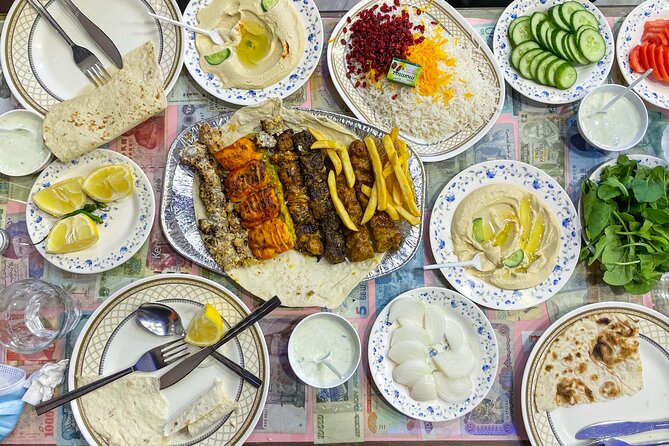
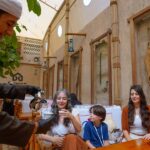
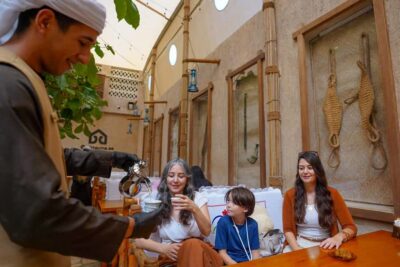
Lunch is one of the best parts of this tour because it’s planned, not improvised. You head to a traditional restaurant in Al Fahidi where your guide pre-orders several dishes so you can sample a range of flavors and spices used for marinating.
The meal is served on a sharing platter basis, and there’s bottled water included at the restaurant. This is non-vegetarian by default, and you should flag dietary requirements ahead of time since a vegetarian option is available on request.
One practical tip: don’t overstuff your shopping bags in the first half. You’ll want your hands free for the market lanes, and then you’ll appreciate sitting down with food that’s already sorted.
How the Walking Pace Really Feels on the Ground
This tour is about a half-day, around 4 hours. There’s moderate physical activity, with periods of standing and slightly longer walking distances at a comfortable pace.
In plain terms, it’s not a power hike. But it does mean you should wear shoes that handle uneven pavement, and you should be ready for sun and crowd density in Deira’s souks.
Weather matters too. The experience requires good weather, and if conditions are poor, the tour may be rescheduled or refunded depending on how it’s handled.
Price and Value: What $118.62 Buys You in Real Terms
At $118.62 per person, this tour is priced for a guided experience, not just transport. You’re paying for the guide, the planned route, the included entrance fees, the abra ride, and lunch.
The value is strongest if you want help navigating the souks. Without a guide, you can still visit Deira and shop, but you’d miss the “why” behind the places, like how stalls used to be known by vendors’ names or how certain markets connect to culture and daily life.
You’re also getting structure. With a small group, you spend less time figuring out where to go next and more time enjoying the walking, learning, and occasional breaks like the creek crossing and the mosque stop.
And if you’re the type who hates wasting vacation hours on unplanned logistics, that’s a big part of what you’re buying here.
Who This Tour Suits Best
This works especially well for:
- First-time Dubai visitors who want old Dubai fast
- People who enjoy markets but want a guided approach
- Anyone interested in how trade shaped neighborhoods, homes, and architecture
- Travelers who prefer small groups and a clear plan
It might not be ideal if you’re looking for a mostly indoor, minimal-walking tour. The route is designed around walking through Deira’s streets and Al Bastakiya’s lanes.
Practical Tips for Souk Cramming, Heat, and Shopping Wins
Dubai’s summer can be intense, so lean into the tour’s advice. Bring bottled water, sunglasses, a hat, and sunscreen. Wear light fabric clothing and comfortable shoes.
For shopping, go with a plan. Decide what you actually want, like spice blends, textiles, or small souvenirs, and set a rough budget. Souks are fun, but your time will feel shorter than you think.
Also, give your guide room to work. Haggling flows better when you’re attentive at the start and not wandering off mid-conversation.
Finally, remember this is a culture-forward tour. When you enter the mosque, keep it calm and respectful. Your best photos will come when you slow down.
Should You Book This Old Dubai Tour?
I think you should book it if your goal is to understand Dubai’s older side in a way that feels organized and human. The mix of souks, Dubai Creek by abra, Al Bastakiya’s wind-tower streets, and a mosque visit makes the day feel like a story, not a checklist.
Skip it if you only want giant landmarks or you dislike walking in warm weather. Also, if food is a major issue for you, review your dietary needs early, since the lunch is pre-ordered and non-vegetarian unless you request a vegetarian option.
If you go, show up ready to walk, listen, and shop with intention. This tour is at its best when you treat Deira like a place where people live, not a set you pass through.
FAQ
How long is the Old Dubai walking tour?
It runs for about 4 hours.
What does the tour include for food and drinks?
Lunch is included, along with bottled water at the restaurant.
Are entrance fees included?
Yes. Admission fees are included as part of the experience.
Is hotel pickup and drop-off included?
No. Hotel pickup and drop-off are not included.
How big is the group?
The tour is limited to a maximum of 12 travelers.
What time is the tour and are there different departure options?
You can choose a morning or afternoon departure. The listed start time is 9:00 am.
What about dietary requirements for lunch?
The lunch is pre-ordered and served on a sharing platter basis. It is non-vegetarian by default, and a vegetarian option is available on request. You should advise dietary requirements at booking.
Is there a mosque dress requirement?
Yes. Garments for entry to the mosque are provided complimentary.
What should I bring for the walk?
It’s recommended to bring bottled water, sunglasses, a hat, and sunscreen, and wear light clothing and comfortable shoes.
The Creek, the Souks, the Old Side



More of Dubai, written up the same way


Old Dubai, Creek & Souks, compared.
 ★ 4.8Old Town, Creek, Museums, Souks, & Street Food TourFrom $1810,816 reviews
 ★ 4.9Old Town, Souks, Street Food, Guided Tour & Abra RideFrom $97,170 reviews
 ★ 4.8Frame Tickets, Creek, Souks & Blue Mosque Guided TourFrom $495,980 reviews
 ★ 5.0Dubai Aladdin Tour: Souks, Creek, Old Dubai and TastingsFrom $213,755 reviews
 ★ 4.8Half-Day City Tour with Blue Mosque, Creek, and SouksFrom $493,059 reviews
 ★ 4.0Dubai Half-Day City Tour with Visit to Dubai Gold SoukFrom $161,741 reviews
★ 5.0Old Town, Souks, Street Food, Guided Tour & Abra RideFrom $171,664 reviews
★ 4.0Dubai Half-Day City Tour with Visit to Dubai Gold SoukFrom $161,741 reviews
★ 5.0Old Town, Souks, Street Food, Guided Tour & Abra RideFrom $171,664 reviews
 ★ 4.9Old Town, Street Food, Creek, Souks, & Emirati HouseFrom $61,496 reviews
Browse the lists this tour appears in