
REVIEW · DUBAI
Private Old Dubai Walking Tour: Forts, Souks, and Boats
Dubai’s old streets teach you faster than apps. This private walk pairs the historic Al Fahidi area with souks in Deira, plus a real abra ride across Dubai Creek so the route makes sense, even if you feel lost easily. You get stories and context you would not piece together on your own while you wander courtyards, wind-tower architecture, and busy market lanes.
Two things I really like: the pacing stays easy and you can ask questions without feeling rushed, and the guide builds a clear picture of how trade, neighborhoods, and daily life shaped the city. If you are a first-time visitor, this is a smart way to get your bearings fast.
One possible drawback to plan around: Dubai Museum is currently closed for renovation, so you will see the museum area, the wall of Old Dubai, and the Al Fahidi Fort from the outside rather than going in.
In This Review
- Key highlights before you go
- Old Dubai on Two Sides of the Creek
- Al Fahidi Historical Neighbourhood and the Museum View From Outside
- Hindi Lane and Textile Souk, Tiny Stops With Big Meaning
- Abra Across Dubai Creek, the Shortcut That Feels Like an Activity
- Gold Souk and Spice Souk, Shopping With a Cultural Map
- Guides Who Keep the Pace Human
- Why $99 Feels Fair for a Private Heritage Tour
- Who Should Book This Old Dubai Walk (and Who Might Not)
- Should You Book This Private Old Dubai Walking Tour?
- FAQ
- What is the duration of the tour?
- How much does it cost?
- Is this tour private?
- What is included in the price?
- Which parts include admission tickets?
- Will we go into Dubai Museum?
- Where do I meet the guide and where does the tour end?
- Is cancellation allowed and how much notice is needed?
- Is the tour suitable for everyone who can walk?
Key highlights before you go
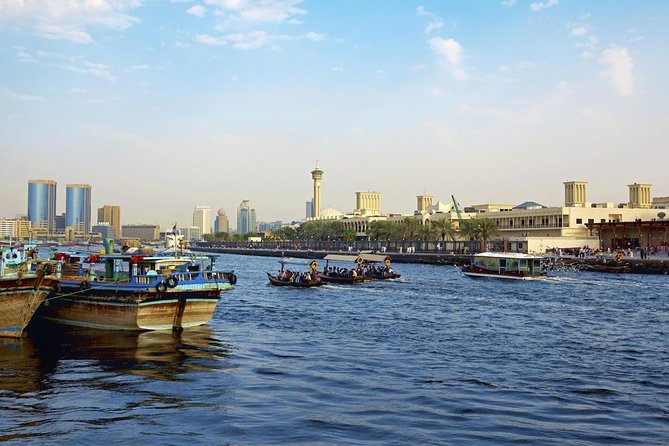
- Wind-tower architecture in Al Fahidi and the feel of Dubai’s first settlement area
- Hindi Lane in a short, calm temple lane stop that breaks up the shopping
- Textile Souk quick fabrics context, great if you want to understand what you are looking at
- A private abra ride across Dubai Creek, the fun shortcut to Deira
- Spice Souk tasting including dates and camel milk chocolates
- Gold Souk with shopping time, plus the stories behind the trade
Deeper into the old side of the creek
- Dubai: Old Town, Creek, Museums, Souks, & Street Food Tour
★ 4.8 · 10,816 reviews - Dubai: Old Town, Souks, Street Food, Guided Tour & Abra Ride
★ 4.9 · 7,170 reviews - Dubai: Frame Tickets, Creek, Souks & Blue Mosque Guided Tour
★ 4.8 · 5,980 reviews - Dubai Aladdin Tour: Souks, Creek, Old Dubai and Tastings
★ 5.0 · 3,755 reviews
Old Dubai on Two Sides of the Creek
What makes this tour work is the geography. Dubai Creek is the natural divider between older areas, so doing Al Fahidi first and then crossing to Deira gives you an “I get it now” feeling. You start in the quieter, heritage-heavy Bastakiya side, then you move into the souks where commerce and color take over.
Even if you love modern Dubai, this route helps you understand why the city grew where it did. The creek mattered. Boats mattered. Trade mattered. And once you have those basics, you will enjoy the rest of your stay much more, because you can connect what you see to a reason behind it, not just a postcard view.
Also, it is private. That means you can slow down when something catches your eye, speed up when you want to buy, and ask for shopping or cultural pointers without translating yourself to a random group.
Al Fahidi Historical Neighbourhood and the Museum View From Outside
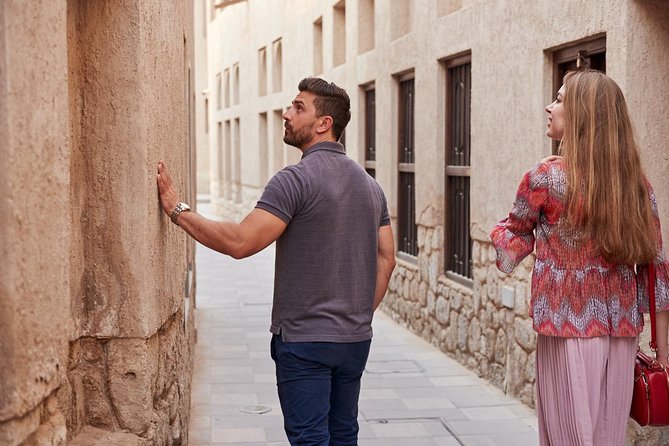
Your first stop is Al Fahidi Historical Neighbourhood, with about 45 minutes here. This area is one of the best places in Dubai to see heritage homes repurposed into cafes, museums, art galleries, and hotels. You are not just looking at buildings, you are seeing how the neighborhood lives today.
One of the highlights in this area is the wind-tower style architecture. These towers are not just decorative. They connect directly to how older buildings handled air and comfort before modern climate control. Walking past the courtyard-style layouts also helps you grasp the “community” shape of early settlements.
About the Dubai Museum: it is currently closed for renovation. Instead of going inside, you will learn from the outside look at the museum area, the wall of Old Dubai, and the Al Fahidi Fort. That is a real consideration if you were hoping for a full museum time slot. On the plus side, the fort and surrounding exterior views still give you strong context for the neighborhood’s story.
Practical tip: this stop sets your baseline for the rest of the tour. If you take a few minutes to ask your guide what to look for in the architecture, you will catch more later when you are in the souks.
Hindi Lane and Textile Souk, Tiny Stops With Big Meaning
After Al Fahidi, you jump into a short 5-minute stop at Hindi Lane. This is a tucked-in temple lane, a small pocket that feels like a breather from the wider street scenes. It is the kind of place that reminds you Old Dubai was never only about commerce. People lived, worshipped, and gathered right alongside the markets.
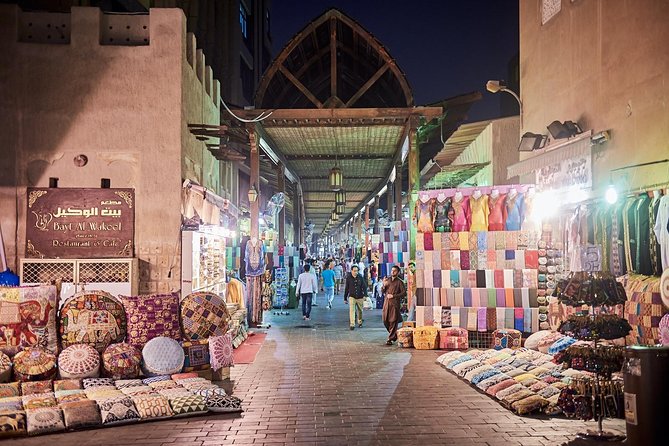
Then you head to the Textile Souk for around 15 minutes. This is where shopping becomes more than browsing. You learn about fabrics and the swatches that once formed the core of regional trade, which helps you understand why the displays look the way they do and why certain materials have strong reputations.
If you love textiles, you will likely enjoy the quick “what you are seeing” context here. The tour also keeps shopping time realistic, not just a photo stop. It is the kind of stop where you can ask, for example, what people typically look for when they are buying cashmere-type items, and how merchants describe materials.
I like that these are short stops. They add texture without turning the tour into a shopping marathon, so you still have time for the creek and both souks.
Abra Across Dubai Creek, the Shortcut That Feels Like an Activity
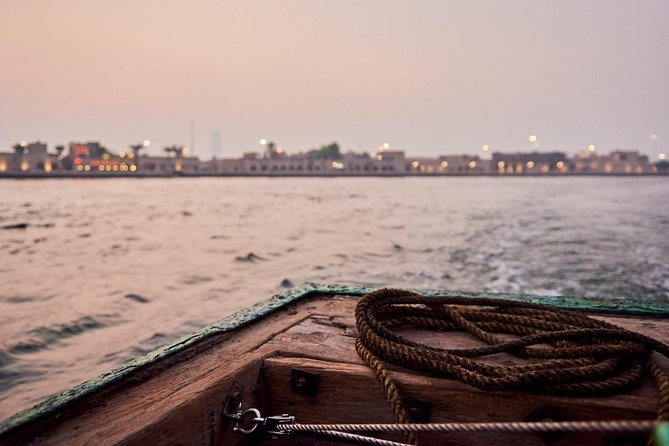
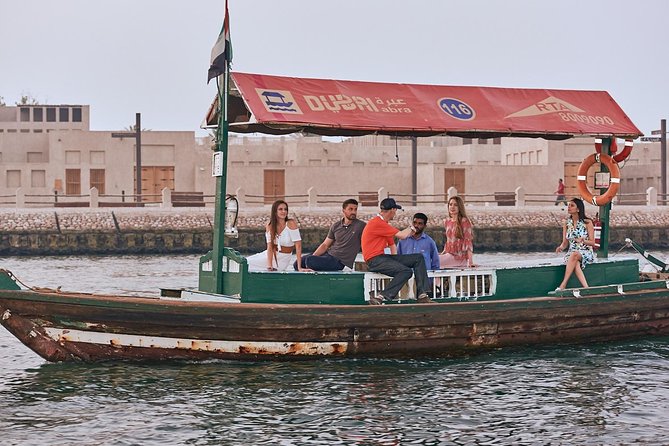
One of the best parts of the itinerary is the abra ride across Dubai Creek. It takes about 10 minutes, and it is included as a private abra (wooden boat) ride. This is more than a transport segment. It changes the tempo of the tour and gives you a sense of how locals move across the water as part of everyday life.
Why I think this matters: when you walk between heritage districts on your own, you can lose time and end up confused about where you are supposed to go next. The boat ride acts like a reset button. You get a quick scenic break, then you step into Deira’s souks with your bearings better than if you had just walked straight there.
On the boat, pay attention to the edges of the creek and the flow between areas. Your guide’s story links what you see to why these neighborhoods developed as they did, so the ride ends up feeling useful, not just scenic.
If you are traveling with someone who thinks walking tours are too slow, this abra segment usually wins them over.
Gold Souk and Spice Souk, Shopping With a Cultural Map
Crossing the creek drops you into Deira’s souk world, starting with the Gold Souk. You spend about 10 minutes here. It is expansive, and the tour frames it with the mindset of go big or go home, so you know what to look for and why pieces are presented so boldly. Even if you are not buying jewelry, the showmanship is part of the experience.
From a practical angle, this is a good time to ask your guide what kind of questions to ask shop owners, especially if you have never shopped for gold or want to understand how pricing conversations typically work in a souk context. The tour also makes time for browsing without pushing you to move too fast.
Then you finish with the Spice Souk for around 15 minutes, and this is where the senses really kick in. You get the admission ticket included here, and the guide talks through spices and ingredients in a way that turns the stalls into a real learning space. You will hear about saffron and vanilla, and you will likely be surprised by the range of teas available.
The Spice Souk tasting is a clear win. You get to taste dates and camel milk chocolates. It is a small sample, but it helps you connect the words your guide uses to actual flavors in front of you.
One thing to consider: spice and tea shopping can be tempting, and once you start tasting, you might start planning what to take home. If you want to control your budget, decide in advance how much you want to spend and whether you want food items, tea, or both.
Guides Who Keep the Pace Human
The tour is built around local resident certified professional guides, and some are award winning. That matters because they can read the streets, the shops, and the cultural cues quickly. They also tend to know where to spend your time so you do not walk past the interesting bits without noticing.
The names you might meet stand out in the tone of the experience. Guides like Ricardo, Ricky, Pri, Patricia, and Sameh are repeatedly mentioned for a mix of friendly humor and strong storytelling. The most common theme in that style is a slow, casual pace, where you can ask questions and the guide keeps things moving without bulldozing your interests.
I also like the way these guides handle the practical side of the day. For instance, if you are a little late, there is evidence of guides working with you so the tour starts smoothly rather than punishing you. In a market area, small delays can happen, and having someone flexible helps.
Finally, these guides often help with the “how do I get there” problem. One helpful pattern from real experiences is clear guidance on using the metro to reach the meeting point, so you can arrive without stress.
- Dubai: Red Dune Safari, Quad Bike, Camel Ride, BBQ Dinner★ 4.9 · 32,185 reviews
- Dubai: Premium Safari, Camel Ride & Al Khayma Camp 3-Buffets★ 4.9 · 30,335 reviews
- Dubai: Burj Khalifa Sky Level 148, 124, & 125 Entry Ticket★ 4.6 · 23,827 reviews
- Dubai Red Dunes ATV, Camels, Stargazing & 5* BBQ Al Khayma Camp★ 5.0 · 21,620 reviews
- Dubai Marina: Luxury Yacht Tour with Breakfast or BBQ Option★ 4.7 · 21,528 reviews
Why $99 Feels Fair for a Private Heritage Tour
At $99 per person for an approximate 2-hour private tour, the big question is value. For me, the value comes from what is included, not from squeezing in more stops.
You are paying for:
- A certified guide, with in-depth personalized interactions
- Coffee and/or tea
- A private abra ride across Dubai Creek
- Admission tickets for the Al Fahidi area, Dubai Creek segment, and the Spice Souk
- Most of the learning is built into the walk, so you are not stuck waiting in lines you could have avoided
If you were to do this on your own, you would still need a plan for where to start, how to cross the creek efficiently, and how to understand what you are seeing inside neighborhoods and souks. That is exactly the kind of friction a good guide removes.
Also, the tour is private, meaning you are not paying extra to share attention. In Old Dubai, where routes and context matter, that one-on-one or one-group attention can make the experience feel longer than the clock says.
Not included: gratuity. So if you like to tip, you should plan for it.
Who Should Book This Old Dubai Walk (and Who Might Not)
This tour fits best if you want:
- A first-time orientation to older Dubai without getting lost
- A heritage-focused walk that mixes architecture, neighborhood stories, and market time
- A chance to shop with a cultural map, especially at the textile, gold, and spice stalls
- A fun transport moment in the abra ride, so it does not feel like nonstop walking
It may be less ideal if you specifically want a full indoor museum visit, since Dubai Museum is closed for renovation and you will view it from outside. If museum time is your main goal, you might want to pair this with another separate museum stop on your own.
And if you hate markets or you prefer quiet sightseeing only, the souks may be a bit intense. You can still slow down with your guide, but it will never feel like a silent heritage stroll.
Should You Book This Private Old Dubai Walking Tour?
I think you should book it if you want Old Dubai to make sense quickly. The mix of Al Fahidi, quick culture stops like Hindi Lane and the Textile Souk, then a creek crossing, and finally Gold and Spice Souks is a smart “arc” that teaches you while you move.
The experience is also well suited for couples and small groups who want a relaxed pace and real conversation. If you like guides who can explain what you are looking at and then help you navigate the markets without rushing, this checks that box.
If you are unsure, here is my simple decision rule: if you want a guided route that connects architecture to trade, book it. If you only want museum time or you already know Old Dubai well, you might look for a different format.
FAQ
What is the duration of the tour?
It runs for about 2 hours.
How much does it cost?
The price is $99.00 per person.
Is this tour private?
Yes. It is a private tour/activity, and only your group participates.
What is included in the price?
You get a local resident certified professional guide, coffee and/or tea, and a private abra (wooden boat) ride across Dubai Creek. Some admission tickets are also included.
Which parts include admission tickets?
Admission tickets are included for the Al Fahidi Historical Neighbourhood stop and the Spice Souk stop. The tour also includes admission ticket coverage for the Dubai Creek segment. Hindi Lane, the Textile Souk, and the Gold Souk are listed as free stops.
Will we go into Dubai Museum?
Dubai Museum is currently closed for renovation, so you will understand the area, including the wall of Old Dubai and the Al Fahidi Fort, from the outside.
Where do I meet the guide and where does the tour end?
You start at Arabian Tea House Restaurant & Cafe – Al Fahidi, Bastakiya, opposite Musalla Post Office. The tour ends at Dubai Gold Souk.
Is cancellation allowed and how much notice is needed?
Free cancellation is available. You can cancel up to 24 hours in advance for a full refund.
Is the tour suitable for everyone who can walk?
Most travelers can participate, and service animals are allowed. It is also described as near public transportation.
The Creek, the Souks, the Old Side



More of Dubai, written up the same way



Old Dubai, Creek & Souks, compared.
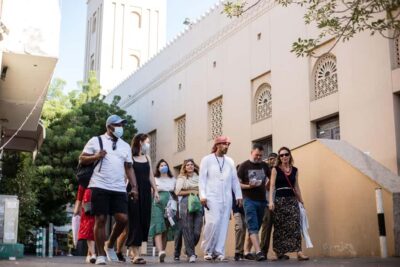 ★ 4.8Old Town, Creek, Museums, Souks, & Street Food TourFrom $1810,816 reviews
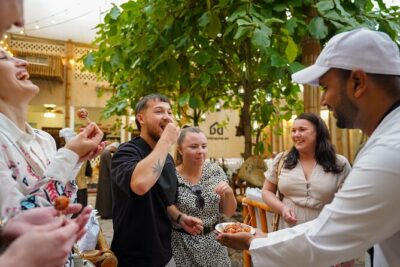 ★ 4.9Old Town, Souks, Street Food, Guided Tour & Abra RideFrom $97,170 reviews
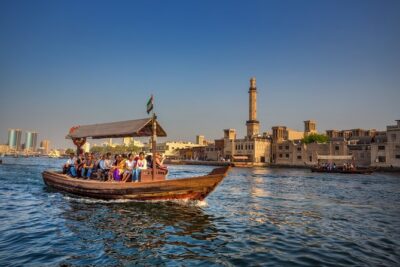 ★ 4.8Frame Tickets, Creek, Souks & Blue Mosque Guided TourFrom $495,980 reviews
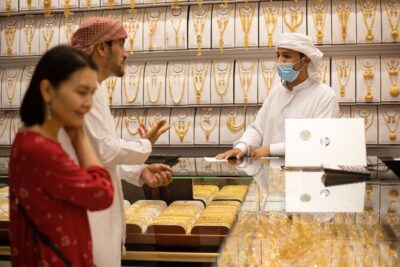 ★ 5.0Dubai Aladdin Tour: Souks, Creek, Old Dubai and TastingsFrom $213,755 reviews
 ★ 4.8Half-Day City Tour with Blue Mosque, Creek, and SouksFrom $493,059 reviews
 ★ 4.0Dubai Half-Day City Tour with Visit to Dubai Gold SoukFrom $161,741 reviews
★ 5.0Old Town, Souks, Street Food, Guided Tour & Abra RideFrom $171,664 reviews
★ 4.0Dubai Half-Day City Tour with Visit to Dubai Gold SoukFrom $161,741 reviews
★ 5.0Old Town, Souks, Street Food, Guided Tour & Abra RideFrom $171,664 reviews
 ★ 4.9Old Town, Street Food, Creek, Souks, & Emirati HouseFrom $61,496 reviews
Browse the lists this tour appears in