
REVIEW · DUBAI
Walking Tour in Dubai. Souks, museums, Local Food Testing
Dubai’s souks are a feast for the senses. This 3-hour walk through Old Dubai mixes architecture, museums, and market time with a quick abra water taxi ride across Dubai Creek. I especially love the way you hop between viewpoints in the Al Fahidi area and then pivot straight into spice, textiles, and the Dubai Gold Souk. One drawback to plan around: it is on foot for much of the experience, so it may feel like a lot if you tire easily or cannot do stairs.
What makes it work is the guide-led flow. You start near Sharaf DG Metro and end near Al Ras Metro, so you can tack this onto the rest of your day without complicated transfers. And because the tour includes tasting stops, you are not just looking at stalls, you are sampling what people actually buy and carry home.
In This Review
- Key highlights you will actually use
- Walking from Sharaf DG Metro into Old Dubai
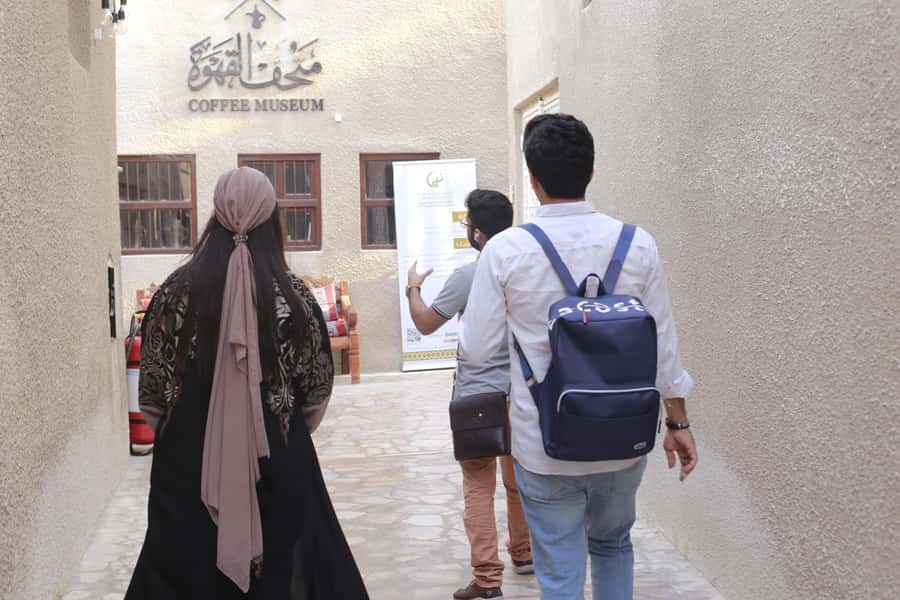
- Al Seef and Al Fahidi District: old walls, old mosques, and the coffee museum vibe
- Dubai Museum, Textile Souk, and Souq Al Kabeer: where shopping becomes a sensory lesson
- Al Fahidi Fort and Old Town photo moments that reset your bearings
- Abra water taxi across Dubai Creek: the short ride that changes everything
- Dubai Spice Souk and Gold Souk: flavors first, then the glittering scale of gold
- Food and tastings: camel milk tea, camel milk chocolate, and street food bites
- Price and value: why $24 for 3 hours can make sense here
- Who this tour suits, and who should think twice
- Guides make the difference: what you should look for in a good souk guide
- Should you book this Dubai Old Town walking tour?
- FAQ
- How long is the walking tour?
- What is the meeting point and where do you finish?
- What do I get included in the price?
- Is the Abra water taxi ride included?
- What should I bring?
- Is luggage allowed?
- Is this tour suitable for wheelchairs or mobility impairments?
- Is the guide available in English?
- Can I cancel and get a refund?
Key highlights you will actually use
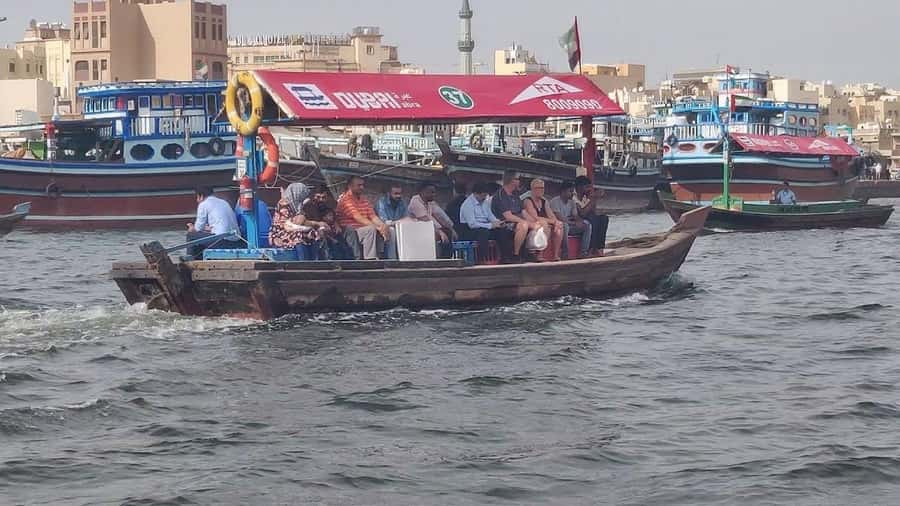
- Abra across Dubai Creek: a short ride that changes the whole feel of the market area
- Al Fahidi District focus: old architecture, photo stops, and cultural venues, including a coffee museum
- Spice and textile markets on your feet: you get time to smell, see, and ask questions
- Dubai Gold Souk scale: access to one of the world’s biggest gold retail markets with over 350 tax-free retailers
- Taste stops included: camel milk tea, camel milk chocolate, street food tastings, and bottled water
- English guide with Q&A energy: guides like Abdullah and Ikram are specifically praised for answering questions and sharing context
Deeper into the old side of the creek
- Dubai: Old Town, Creek, Museums, Souks, & Street Food Tour
★ 4.8 · 10,816 reviews - Dubai: Old Town, Souks, Street Food, Guided Tour & Abra Ride
★ 4.9 · 7,170 reviews - Dubai: Frame Tickets, Creek, Souks & Blue Mosque Guided Tour
★ 4.8 · 5,980 reviews - Dubai Aladdin Tour: Souks, Creek, Old Dubai and Tastings
★ 5.0 · 3,755 reviews
Walking from Sharaf DG Metro into Old Dubai
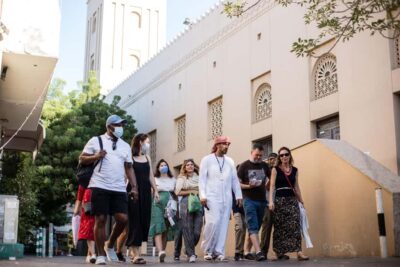
Start at Sharaf DG Metro Station Exit 4, which is convenient if you are already moving around the city by subway. It is an easy meetup point, and from there you are led into the older layers of Dubai where the streets feel made for walking.
This tour is a smart choice if you want to see more than one “theme.” You get architecture, then museums and cultural buildings, then you switch gears to markets for textiles, spices, and gold. That mix is what keeps it from turning into a single long shop-and-photo session.
A small practical note: the tour does not allow luggage or large bags. If you are coming from a hotel with a big suitcase, you will want to leave it somewhere secure first.
Al Seef and Al Fahidi District: old walls, old mosques, and the coffee museum vibe
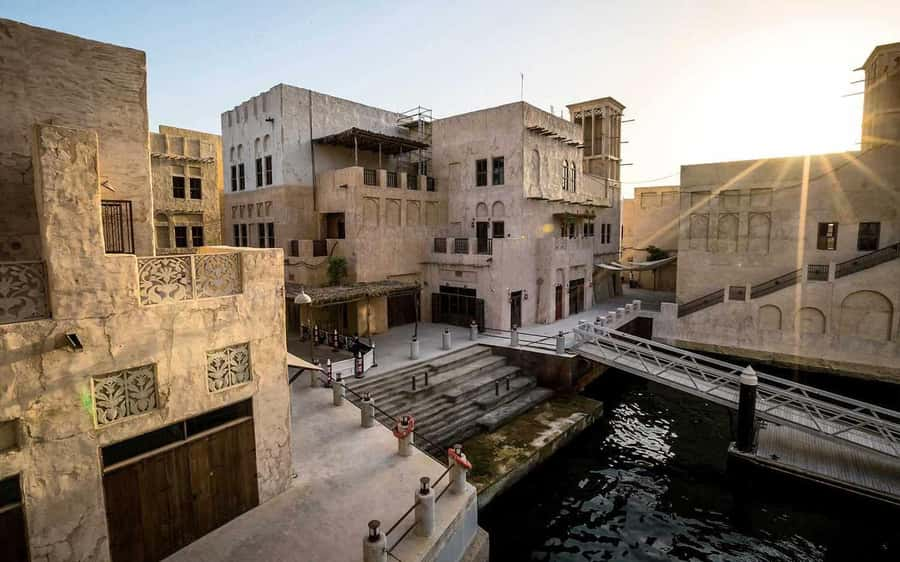
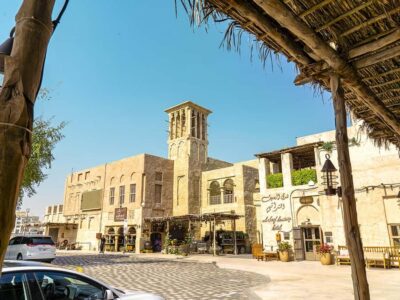
You begin with a photo stop and guided time at Al Seef, a riverside stretch that is close enough to the water to remind you that Dubai grew by trade and travel routes. Then the tour moves into the Al Fahidi District, where the architecture is the headline.
In this area, old buildings now function as cultural spaces, like museums, art galleries, event venues, and a coffee museum. You are not just staring at facades. You get a guided look that helps you understand why these structures matter, especially when you compare them to the newer city skyline.
A key stop is the Old Mosque and the way the architecture frames it. You also pass by the remains of the Old Wall, built around 1800 AD. That kind of detail matters, because it turns the walk into a timeline you can see, not just a set of pretty corners.
If you like mixing stops that are different in mood, this part delivers. It is calmer than the souks, and it gives you a break from the fast pace of bargaining and crowds.
Dubai Museum, Textile Souk, and Souq Al Kabeer: where shopping becomes a sensory lesson
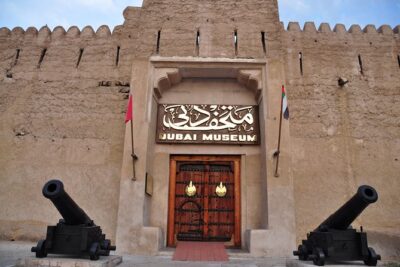
After the Al Fahidi area, you head toward the Dubai Museum, where you can see relics and artifacts connected to Emirati civilization. Even if museums are not usually your thing, this one helps you set context for what you will experience later in the markets.
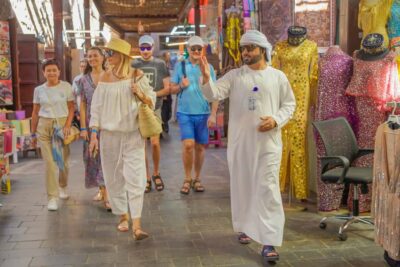
Then comes the shift to commerce: the Textile Souk and the Old Textile Market area. This is where you will notice how markets are organized around crafts. You are looking at traditional fabrics in a range of colors, and with the guide’s help you get a better sense of what people are actually looking for.
You also stop at Al Souq Al Kabeer, with time for photos and a guided pass through the lanes. This is one of those places where the street layout is part of the experience. Narrow passages guide your pace, and signage and stall setups feel built for browsing.
One consideration: this is shop-heavy. If you do not want to spend money, that is fine, but you should still expect some stalls to lure your attention. Having the guide with you makes it easier to navigate without feeling pressured.
Al Fahidi Fort and Old Town photo moments that reset your bearings
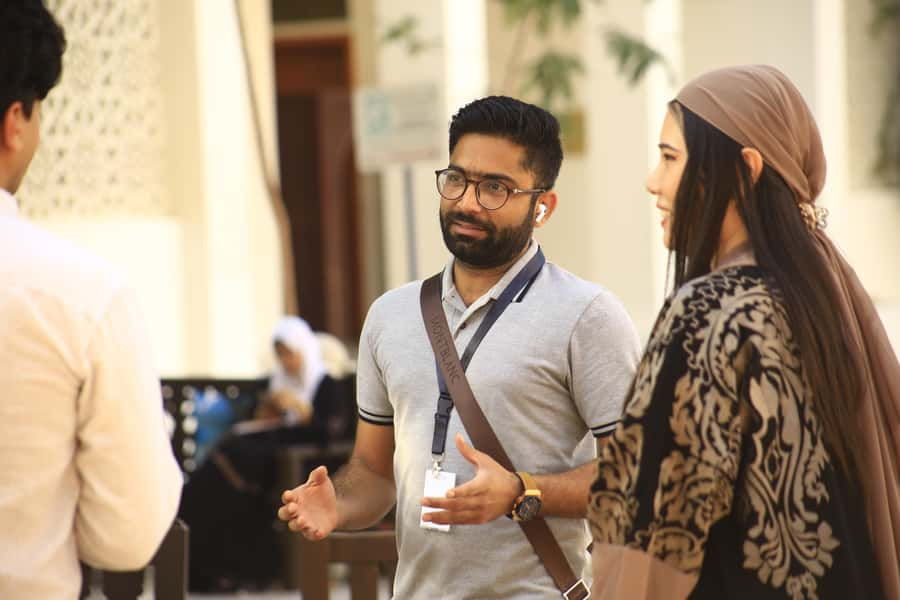
Some walking tours feel like they never let you stop. This one includes real pauses. Along the route you get photo stops and short breaks, including time near Al Fahidi Fort.
These pauses sound small, but they are not. When you are in a maze of streets, quick reset moments help you keep track of where you are and what you just learned. You will also have better photos because you are not rushing through everything while you are already tired.
It is also here that you start noticing the contrast theme: traditional houses and wind-tower style elements against the larger city views. The guide helps you connect those visuals to how Dubai has grown while still keeping a link to older neighborhoods.
Abra water taxi across Dubai Creek: the short ride that changes everything
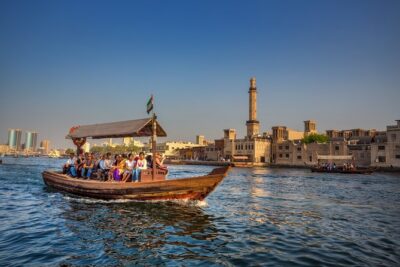
Then you do the fun part: a water taxi ride (Abra) across Dubai Creek. This is not a long excursion, and it is not meant to be. It is meant to give you a quick shift in perspective.
On one side, you are surrounded by the older market streets. On the other, you are entering a different style of trading zone where gold and spices dominate the atmosphere. Even if you already know Dubai is a trading city, the Abra ride makes that idea physical. You are literally crossing the water route that helped shape the city.
The good part for planning: the Abra time is short, so you do not lose your momentum. You just get a clean visual break before the heavy-hitters of the souks.
Dubai Spice Souk and Gold Souk: flavors first, then the glittering scale of gold
Once you cross, the tour focuses on two major souks: the Dubai Spice Souk and the Dubai Gold Souk.
At the Spice Souk, you get guided time plus photo stops, and the whole area is built around aroma. You are moving past vendors selling spices from around the region, and the guide’s context helps you understand what you are seeing and how people use these ingredients.
This is also where the tasting pieces start to matter. When your senses already have momentum, a small food sample feels more meaningful than if you were full and bored. (More on tastings below.)
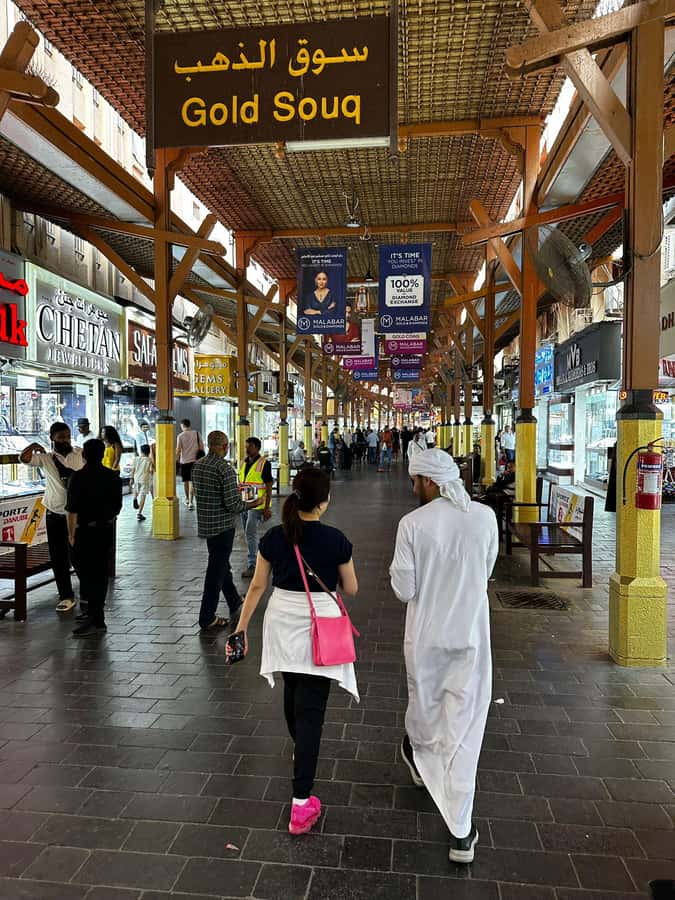
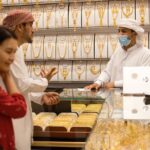
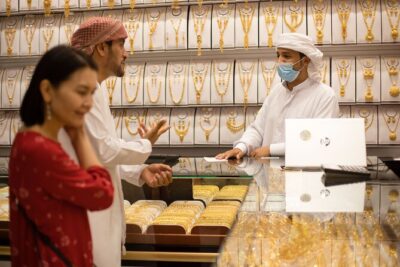
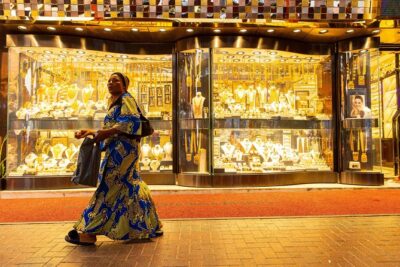
Then you reach the Gold Souk, which the tour frames as one of the largest gold retail markets in the world. The scale is a big part of the experience. You are told there are over 350 tax-free gold retailers in this area, which is wild when you imagine it is all happening in one neighborhood of streets and storefronts.
Even if you are not shopping for gold, it is still worth going for the sheer concentration of the craft and the way the market is set up. And yes, it is a classic Dubai moment, but it works best when you treat it like a cultural stop, not just a photo opportunity.
- Dubai: Burj Khalifa Levels 124 & 125 Entry Ticket + Options★ 4.3 · 90,891 reviews
- Dubai: Desert Safari, Quad Bike, Camel Ride & Al Khayma Camp★ 4.9 · 68,962 reviews
- Dubai: Desert Safari, Quad Bike, Camel Ride and Sandboarding★ 4.9 · 43,505 reviews
- Dubai: Safari, Quad Bike, Camel Ride, and Buffet Dinner★ 4.9 · 33,424 reviews
- Dubai: Red Dune Safari, Quad Bike, Camel Ride, BBQ Dinner★ 4.9 · 32,185 reviews
Food and tastings: camel milk tea, camel milk chocolate, and street food bites
This tour earns a lot of points because food is not an add-on. It is included, and it is varied enough that you will learn what to expect.
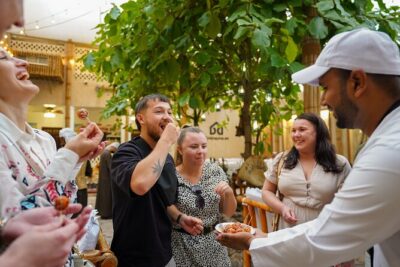
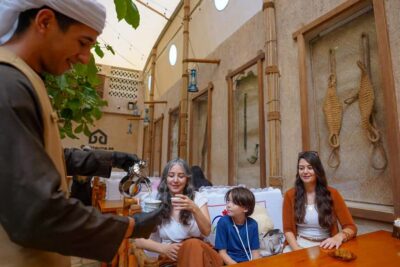
You get camel milk tea and camel milk chocolate. Those are not flavors most people associate with Dubai, so you end up with an easy conversation starter and something memorable to share back home.
On top of that, there are street food tastings and bottled water. The bottle matters. In a 3-hour walk, small hydration support can keep you from feeling fried before you reach the Gold Souk.
One practical tip: if you have a sensitive stomach or know you react to spicy foods, you should take it slow with street tastings. The tour gives you chances to sample, not forced portions.
Price and value: why $24 for 3 hours can make sense here
At $24 per person for about 3 hours, this tour is good value if you want a guided circuit without DIY stress. Here is why: you are paying for an English-speaking local guide plus an Abra water taxi ride, and you are not just passing by food stalls. You are also getting camel milk tea, camel milk chocolate, street food tastings, and bottled water.
If you were to cover those pieces on your own, the costs and time add up fast, especially because souks are easier with a guide who knows where to take you and what to point out. In this kind of market setting, the real value is how much time you save getting the “what is this, and why does it matter” part right.
So the price is not just about the walk. It is about removing guesswork while still giving you plenty of chance to explore.
Who this tour suits, and who should think twice
This is a great fit if you want:
- a guided walk through Old Dubai with photo stops that do not feel random
- real time in souks rather than a quick drive-by
- included tastings and a simple, centralized route
It is not a great fit if:
- you have mobility impairments or use a wheelchair, because it is not suitable for those needs
- you need to bring luggage or large bags (those are not allowed)
Also bring comfortable shoes and sunglasses. The route is outdoors and in busy market areas where walking pace varies.
Guides make the difference: what you should look for in a good souk guide
The standout pattern is guide attitude. Guides such as Abdullah and Ikram are highlighted for being friendly, for sharing background as you walk, and for answering questions without making you feel rushed.
That matters because souks can be overwhelming fast. A good guide helps you focus on what is worth noticing: architecture details in Al Fahidi, the purpose of different market lanes, and what to ask at a spice seller or gold retailer.
If you like learning while you wander, this tour’s guide-led format is the main reason it works.
Should you book this Dubai Old Town walking tour?
I think you should book it if you want a structured way to see Old Dubai without turning your day into logistics. The combination of Al Fahidi District, museums and photo moments, a Creek crossing by Abra, and then Spice Souk plus Gold Souk makes for a satisfying 3-hour arc.
Skip it if you want a slow, low-footprint experience, or if you cannot do significant walking. And if food tastings are a big part of your travel style, this tour is a strong match because they are included, not optional.
FAQ
How long is the walking tour?
The tour lasts 3 hours.
What is the meeting point and where do you finish?
You meet at Sharaf DG Metro Station Exit 4 and finish at Al Ras Metro Station.
What do I get included in the price?
The tour includes a tour guide, an Abra water taxi trip, camel milk tea, camel milk chocolate, street food tastings, and bottled water.
Is the Abra water taxi ride included?
Yes. The tour includes the Abra water taxi trip across Dubai Creek.
What should I bring?
Bring comfortable shoes and sunglasses.
Is luggage allowed?
No. Luggage or large bags are not allowed.
Is this tour suitable for wheelchairs or mobility impairments?
No, it is not suitable for people with mobility impairments or wheelchair users.
Is the guide available in English?
Yes. The live tour guide speaks English.
Can I cancel and get a refund?
Yes. You can cancel up to 24 hours in advance for a full refund.
The Creek, the Souks, the Old Side


More of Dubai, written up the same way


Old Dubai, Creek & Souks, compared.
 ★ 4.8Old Town, Creek, Museums, Souks, & Street Food TourFrom $1810,816 reviews
 ★ 4.9Old Town, Souks, Street Food, Guided Tour & Abra RideFrom $97,170 reviews
 ★ 4.8Frame Tickets, Creek, Souks & Blue Mosque Guided TourFrom $495,980 reviews
 ★ 5.0Dubai Aladdin Tour: Souks, Creek, Old Dubai and TastingsFrom $213,755 reviews
 ★ 4.8Half-Day City Tour with Blue Mosque, Creek, and SouksFrom $493,059 reviews
 ★ 4.0Dubai Half-Day City Tour with Visit to Dubai Gold SoukFrom $161,741 reviews
★ 5.0Old Town, Souks, Street Food, Guided Tour & Abra RideFrom $171,664 reviews
 ★ 4.9Old Town, Street Food, Creek, Souks, & Emirati HouseFrom $61,496 reviews
Browse the lists this tour appears in