
REVIEW · DUBAI
Walking Tour in Old Dubai Explor Heritage & Traditional Souq
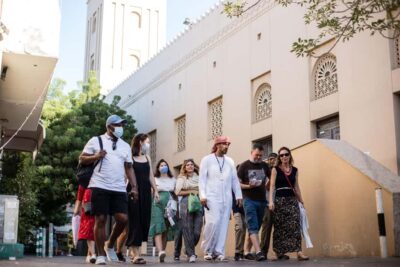
Old Dubai has a time machine feel. This 3-hour walking tour takes you from the creek-side neighborhood where the city started to the Spice and Gold Souks that still run on old-day rhythms.
I especially like the combination of heritage stops and real local texture, like Al Bastakiya and Al Seef, not just big-photo landmarks. I also like that you get an authentic abra water taxi ride, which helps the whole area make sense fast.
One thing to consider: it is a short tour with focused stops, so if you want long, slow browsing in the markets, you will have less time than a dedicated shopping trip, and you will spend plenty of time walking.
In This Review
- Key highlights you should care about
- Why Old Dubai Still Feels Like Dubai
- Meeting point and the easiest way to start
- Al Fahidi, Al Seef, and Al Bastakiya: the old-city backbone
- Al Fahidi
- Al Seef
- Al Bastakiya
- Fahidi Fort and Souq Al Kabeer: clues before the shopping
- The abra ride that makes the creek make sense
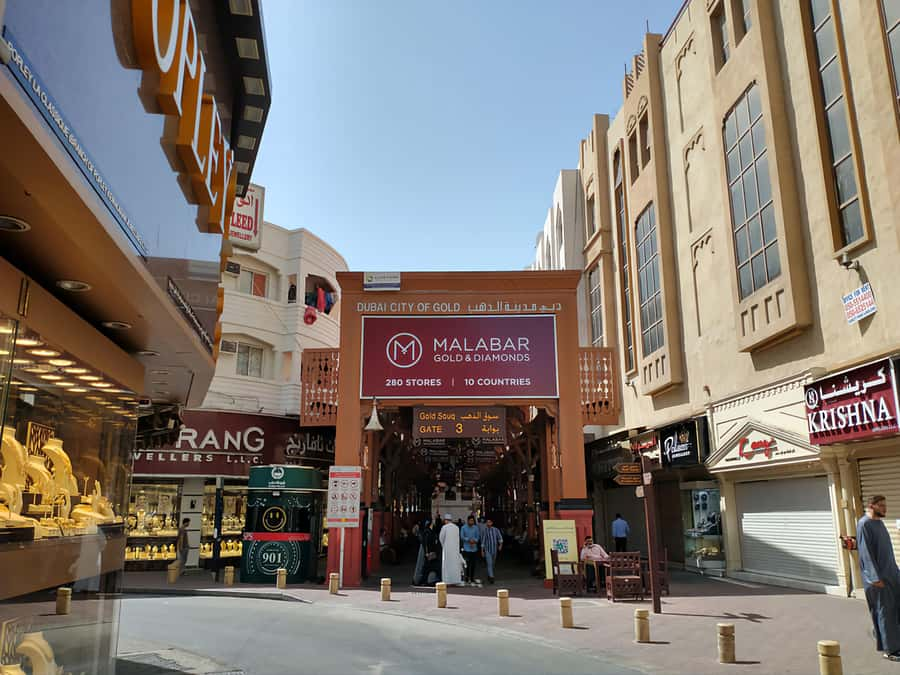
- Gold Souk time: guided context plus real shopping freedom
- Spice Souk and the Treasure House stop
- What $49 really buys you in Old Dubai
- The guides and why Q&A feels easy
- Best fit: who this tour is for
- A realistic heads-up on pacing and comfort
- Should you book this Old Dubai walking tour?
- FAQ
- How long is the walking tour?
- Where do I meet the tour guide?
- What language is the guide?
- How many people are in a group?
- Is the abra water taxi ride included?
- Which markets and areas are visited?
- Is free cancellation available?
Key highlights you should care about
- Old Dubai orientation in 3 hours, with early-sttlement context and a clear route through the historic core
- Authentic abra ride across Dubai Creek, not a pretend “tour boat” moment
- Souk time built in, including guided visit plus free time to shop at both Gold Souk and Spice Souk
- Al Bastakiya and Al Seef photo-and-walk stops, the areas that best show what Dubai used to be
- Small group limit (10 people), which keeps questions from getting lost
- Local guides with strong Q&A habits, including names like Adnan and Ikram from recent bookings
Deeper into the old side of the creek
- Dubai: Old Town, Creek, Museums, Souks, & Street Food Tour
★ 4.8 · 10,816 reviews - Dubai: Old Town, Souks, Street Food, Guided Tour & Abra Ride
★ 4.9 · 7,170 reviews - Dubai: Frame Tickets, Creek, Souks & Blue Mosque Guided Tour
★ 4.8 · 5,980 reviews - Dubai Aladdin Tour: Souks, Creek, Old Dubai and Tastings
★ 5.0 · 3,755 reviews
Why Old Dubai Still Feels Like Dubai
Dubai is famous for glass towers, sure. But what makes this tour worth your time is that it treats the old city like the foundation, not a side attraction.
You start in the Al Fahidi area and move through the older trading zones around Dubai Creek. That matters because Dubai’s early story is tied to water movement, markets, and trade patterns, not just oil-era growth. You will see how people lived, traded, and built community in a place that still runs on narrow streets and small storefronts.
I also like that the tour gives you a “how we got here” feeling. The guide frames the early days of settlement in Dubai, then you physically walk through the places connected to those beginnings. When you do that, the souks stop being random shopping streets and start feeling like a working system.
Meeting point and the easiest way to start
Your guide waits at the Exit Gate 4 meeting point. From there, the day flows as a simple walking route with a single water taxi segment.
Plan for a brisk start. Even though the overall duration is 3 hours, the route is broken into short stops and photo breaks, like Al Fahidi, Al Seef, and Al Bastakiya, before you hit the markets. That short timing is a feature if you want an efficient overview.
Small group also helps. This is limited to 10 participants, which usually means the guide can respond quickly when you ask questions about what you are seeing.
Also note: the tour is English. If you want German or another language support, the only safe bet is what is stated. That said, recent guide comments include examples of very patient, question-friendly guiding, including one mention of German conversation support by a guide named Ikram.
Al Fahidi, Al Seef, and Al Bastakiya: the old-city backbone
This is where you get your bearings. Think of these stops as your “Dubai origin map,” laid out with walking and brief guided context.
Al Fahidi
You begin with a visit and guided walk through Al Fahidi. The stop is short, about 7 minutes, so you are not expected to linger like a full museum day. Instead, you are getting orientation and context before the tour moves into the more market-focused areas.
Al Seef
Next is Al Seef, with a photo stop and sightseeing walk (about 15 minutes). This is a useful contrast point. Al Seef feels like an in-between zone that helps explain how old and new Dubai coexist along the creek.
If you like “where the photo comes from,” this is one of the spots where you can quickly frame a good shot without turning it into a half-hour detour.
Al Bastakiya
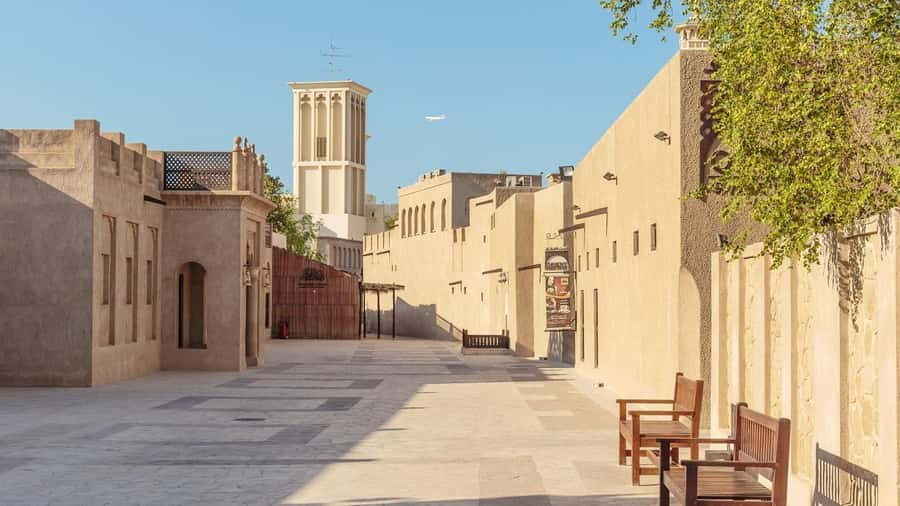
Then comes Al Bastakiya, one of the must-see areas on any Old Dubai plan. You get another photo stop plus a guided visit and walk (about 15 minutes).
This is where the tour’s promise really clicks: you are stepping into the part of Dubai that visitors associate with the city’s earlier character. And because your guide is talking as you walk, you can connect details in the streets to the story being explained, instead of just looking at architecture without context.
- Dubai: Burj Khalifa Levels 124 & 125 Entry Ticket + Options★ 4.3 · 90,891 reviews
- Dubai: Desert Safari, Quad Bike, Camel Ride & Al Khayma Camp★ 4.9 · 68,962 reviews
- Dubai: Desert Safari, Quad Bike, Camel Ride and Sandboarding★ 4.9 · 43,505 reviews
- Dubai: Safari, Quad Bike, Camel Ride, and Buffet Dinner★ 4.9 · 33,424 reviews
- Dubai: Red Dune Safari, Quad Bike, Camel Ride, BBQ Dinner★ 4.9 · 32,185 reviews
Fahidi Fort and Souq Al Kabeer: clues before the shopping
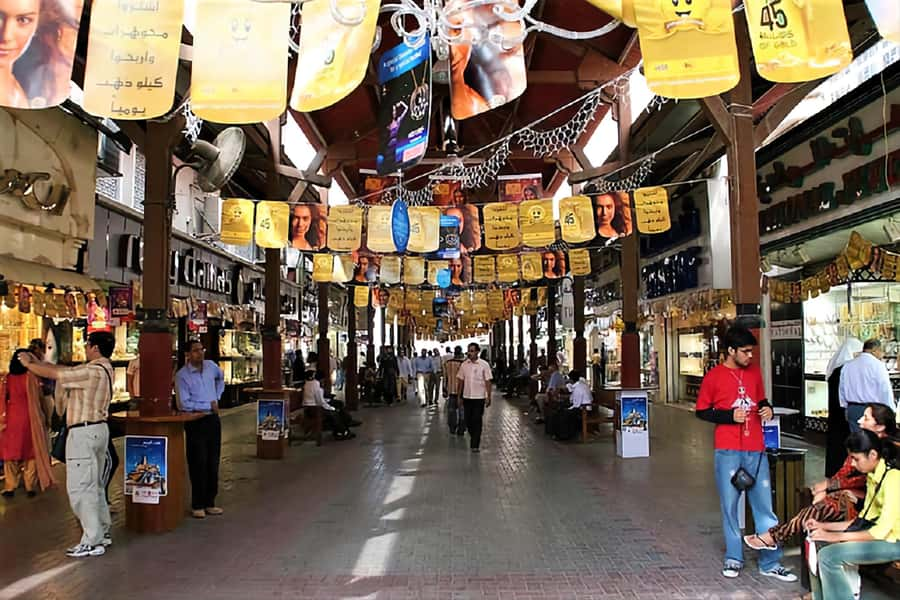
After Al Bastakiya, you pass by Al Fahidi Fort (about 15 minutes). “Pass by” is the operative phrase. You are not doing a long internal visit based on the time block. But it still matters because it acts like a punctuation mark in the story of settlement and defense, the idea that early Dubai needed structure and protection.
Next is Al Souq Al Kabeer, with photo stop, visit, sightseeing, and walk time (about 15 minutes). This is one of the best “street-level” transitions. The souk lanes help you understand how trade districts function. You start seeing why markets were built where they were, and how they connect to water access and daily life.
If you are hoping to shop right away, keep your expectations grounded. This part is more about you getting used to the place, so when you reach Gold Souk and Spice Souk later, you know what kind of experience you are walking into.
You also pass through the general market world around traditional commerce, including mention of the textile market areas. Even if you do not buy anything here, just watching what people do helps you read the vibe of the old town.
The abra ride that makes the creek make sense
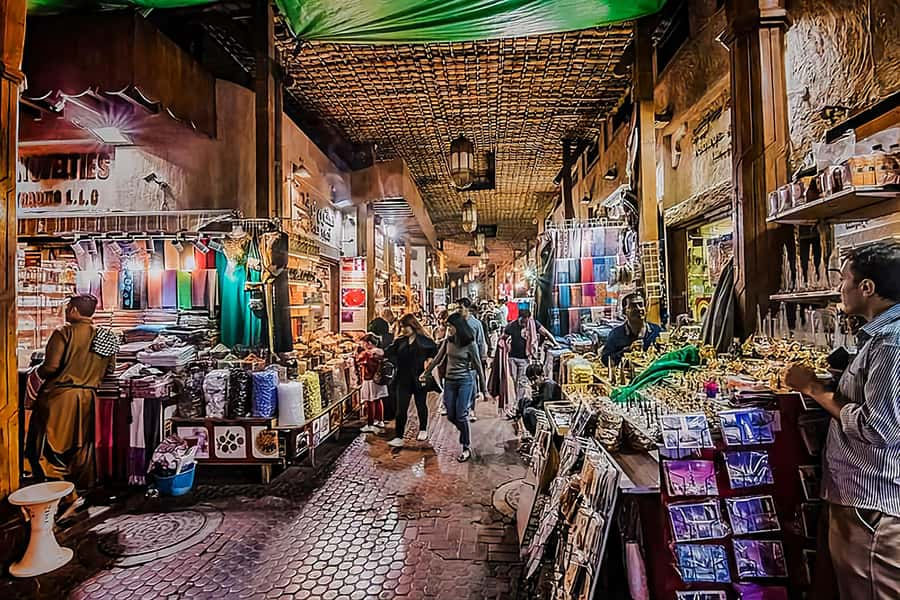
Here is the moment that changes the tour from walking-only to “this feels like Dubai Creek.”
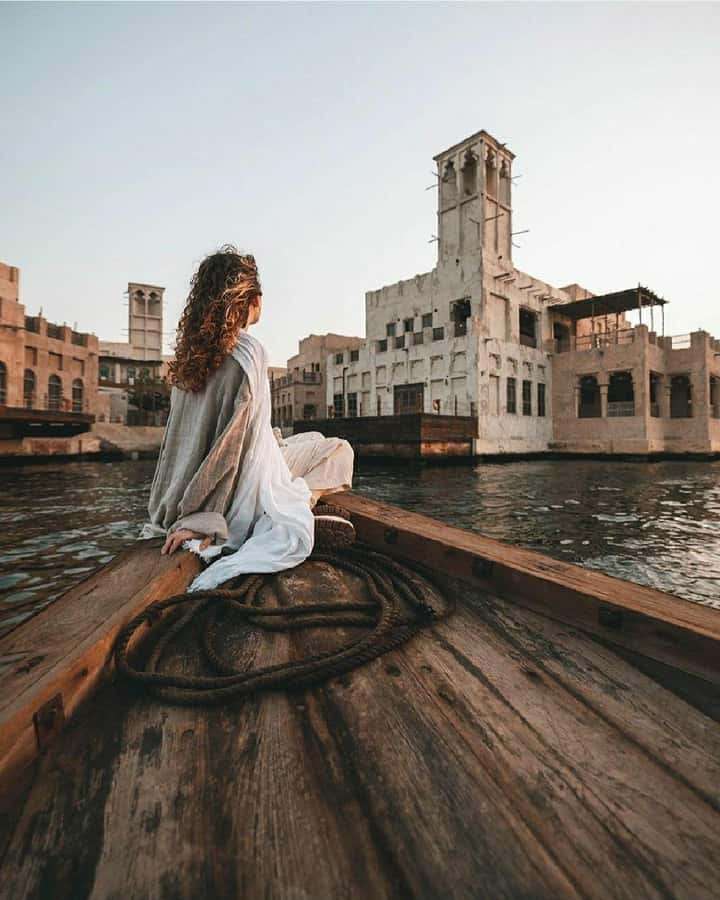
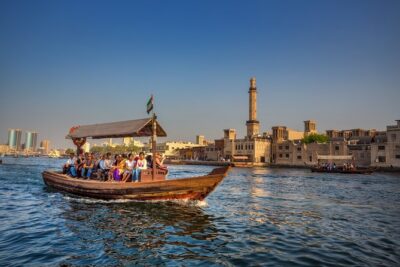
You take a private abra water taxi ride (about 15 minutes). That short segment is not filler. It’s a shortcut for understanding the entire old-city geography.
Why it matters: the abra is how people moved between sides of the creek for trade and daily routines. So once you cross on it, the souks make more sense. You stop treating the market area as a static tourist zone and start viewing it as the center of an active water-linked neighborhood.
You also avoid the common problem of Old Dubai tours that just rush through the same lanes and never give you a real sense of the waterfront. This one gives you the creek experience in a tight, efficient window.
Gold Souk time: guided context plus real shopping freedom
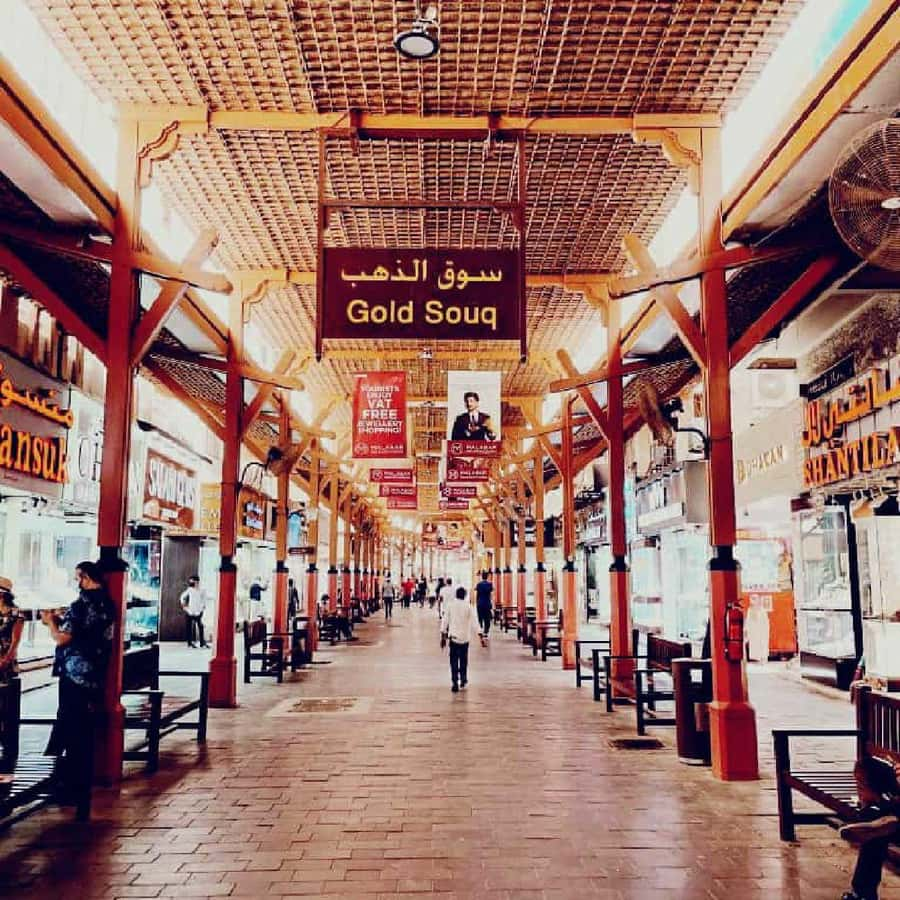
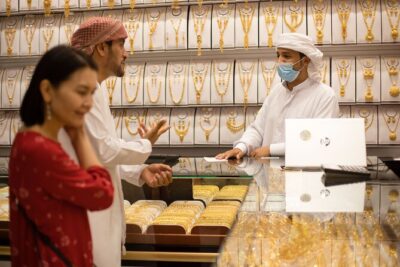
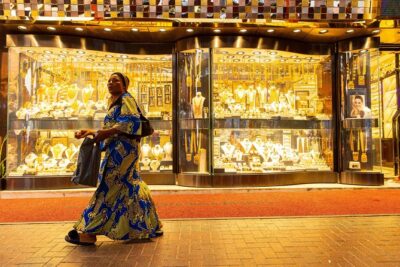
After the water taxi, you reach Dubai Gold Souk for a mix of guided tour and free time, about 25 minutes total. You get a photo stop, visit, guided tour, then some time to shop.
This is not “only look, no touch.” The itinerary explicitly includes free time and shopping here. So you can treat it as either:
- a browse session where you take in styles and craftsmanship
- or a quick hunt for something you can actually carry home
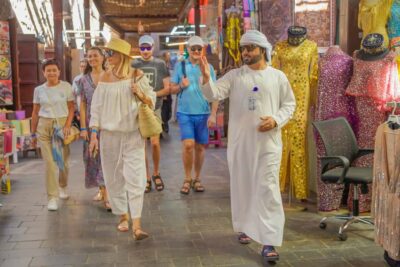
The value of the guided portion is that it can help you look beyond the shiny surface. Even within a short time, a good guide can explain what you are seeing, why certain designs appear, and how the souk works as a business cluster. That transforms Gold Souk from visual overload into something you can navigate with purpose.
Practical tip: go in with a clear idea of what you want. With only 25 minutes, you will do better picking a theme, like jewelry type or a price range, rather than trying to compare every store.
Spice Souk and the Treasure House stop
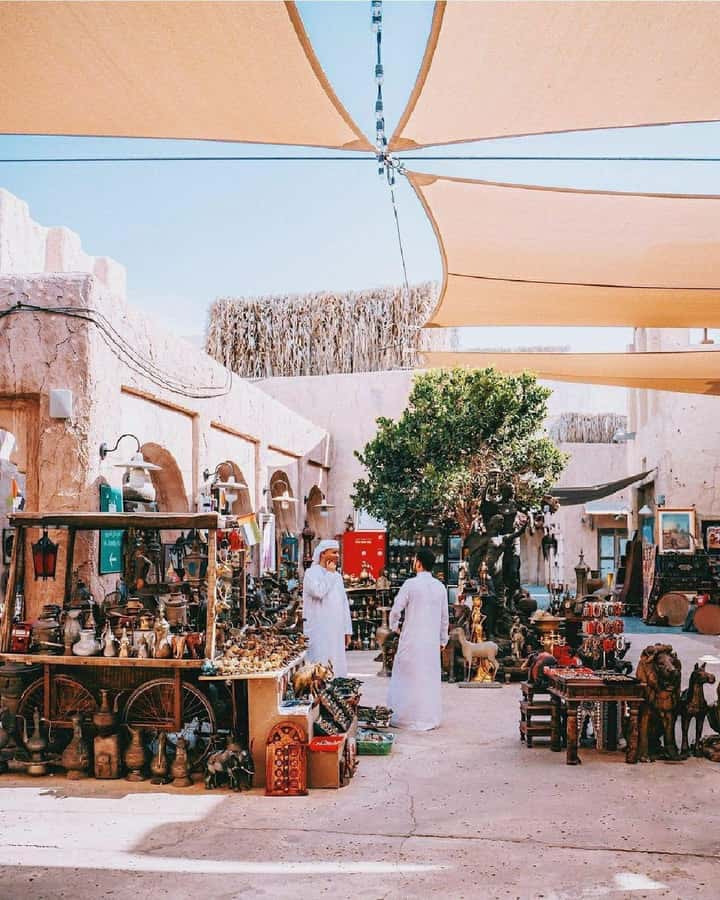
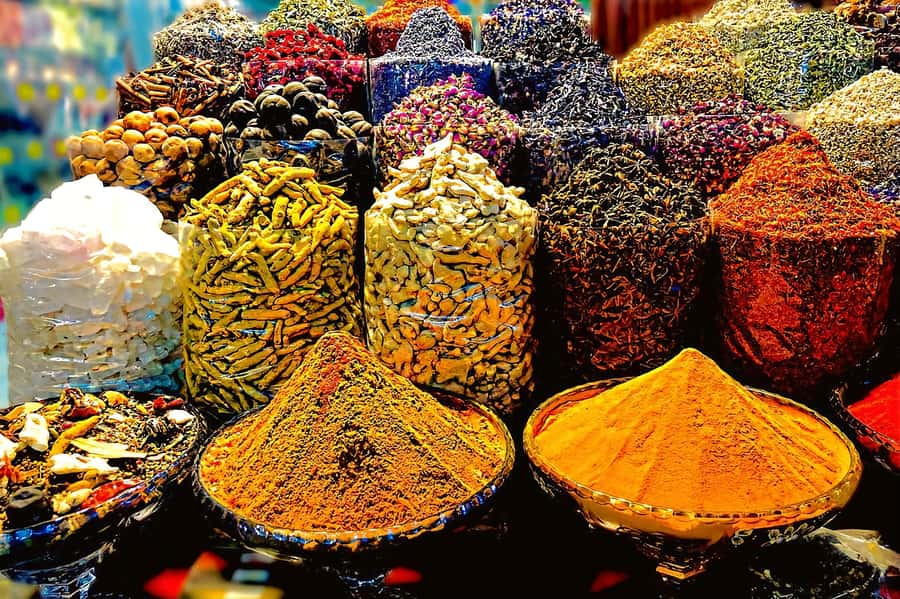
Your final big market stop is Dubai Spice Souk, with a photo stop, guided tour, and shopping time for about 30 minutes.
This is where the tour’s “traditional market” theme becomes more than a label. Spice Souk feels like everyday trade, not just luxury retail. The mix of stalls and browsing habits makes it easier to imagine how markets served people day to day.
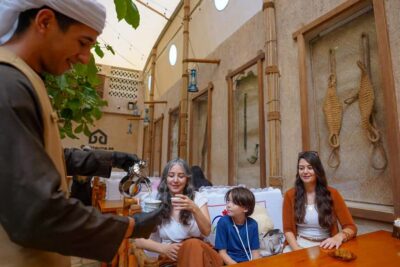
Then there is a stop through narrow alleys that includes The Treasure House, described as a unique shopping spot for an exclusive collection of leather and fur materials. That adds variety to the market experience, so the tour is not only gold and spices.
One drawback to keep in mind: because the tour includes multiple shopping areas, you may feel a shopping pressure that you cannot fully escape. If you prefer a mostly informational tour, you can still enjoy Spice Souk and Gold Souk without buying. Just focus on the guided segments, take your time with photos during the short photo stops, and let the guided explanations do the heavy lifting.
What $49 really buys you in Old Dubai
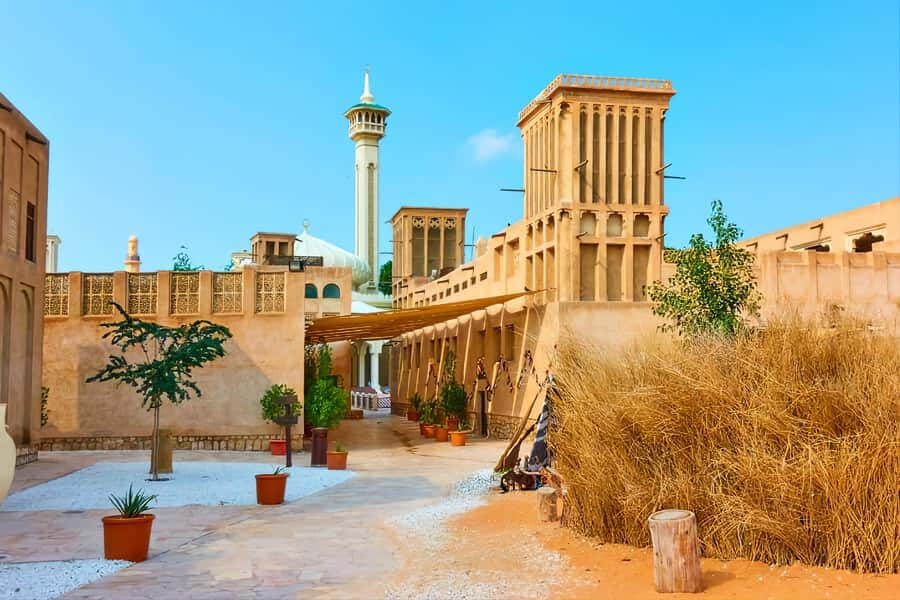
At $49 per person for 3 hours, the big question is value. For this tour, the value is not just the walking. It is the combination of:
- Local guide time, which compresses context into a short window
- Skip-the-line access via a separate entrance (so you are not stalled)
- Private abra ride included in the price
- A small group size (10 people max), which usually improves the Q&A and pacing
- Water bottles, which matters in Dubai heat even on a short outing
If you were to recreate this yourself, you would still need to manage routing, finding the right market areas, and organizing the creek crossing. Here, the hard parts are handled for you, and you get a coherent route that moves from heritage streets to trading zones.
Is it the best deal if you want a full-day market shopping spree? No. It is a short tour. But for an efficient Old Dubai overview with a real abra ride and guided orientation, it is priced like a smart, practical half-morning plan.
The guides and why Q&A feels easy
This kind of tour stands or falls with the guide. The recent guide highlights you can take into account are things like patience and clear answers.
Guides named in recent bookings include Adnan, Ikram, and Inkram. One booking specifically calls out that the guide was patient, and another notes that questions were handled well and the pace worked. That is a good sign for your experience.
What this means for you: you should expect time for questions about what you are seeing, not just one-way storytelling. In a market environment, that matters. You can ask things like what items represent, how trade traditions evolved, or what makes certain buildings or lanes important.
Best fit: who this tour is for
I think this works best if you are:
- in Dubai for the first time and want Old Dubai orientation
- curious about how early settlement shaped the city you see today
- interested in traditional markets and want guided context before shopping
- comfortable walking and browsing at a pace set by a 3-hour plan
- traveling in a small group or couple and want better attention from the guide
If you are a hardcore architecture specialist, you might want a longer heritage-focused day. But if you want to get the “why” and not just collect photos, this is a strong match.
A realistic heads-up on pacing and comfort
No tour can fully fix Dubai weather. You will be outside, walking between spots, and moving through crowded market lanes.
Two practical considerations:
- You will have short timed stops, so you cannot expect long museum-style lingering.
- Gold and Spice Souks include free time for shopping, which can feel optional or can feel tempting. If you do not want to buy, just treat it as window-shopping time and follow the guide’s lead.
If you want the most comfortable experience, dress for walking and sun exposure, and keep some flexibility in your shopping goals. Short and focused is the point of this tour.
Should you book this Old Dubai walking tour?
If your goal is to understand Old Dubai and get your bearings fast, I would book it. The mix of Al Fahidi, Al Seef, Al Bastakiya, a short creek crossing on an authentic abra, and guided visits to Gold Souk and Spice Souk makes it a practical way to spend 3 hours without wasting time guessing where to go next.
Book it especially if you like tours where the guide can explain what you are looking at and where small-group size helps your questions get answered. If you want a long shopping day, you will likely wish you had more time. But for an intro to heritage, markets, and the creek-linked old city, this one is a solid buy.
FAQ
How long is the walking tour?
The tour duration is 3 hours.
Where do I meet the tour guide?
The tour guide is waiting at the Exit Gate 4 meeting point.
What language is the guide?
The live tour guide speaks English.
How many people are in a group?
This is a small group with a maximum of 10 participants.
Is the abra water taxi ride included?
Yes, a private abra (water taxi) ride is included.
Which markets and areas are visited?
You’ll visit Al Bastakiya, Al Seef, Al Souq Al Kabeer, Dubai Gold Souk, and Dubai Spice Souk, with additional market walking and shopping time.
Is free cancellation available?
Yes, you can cancel up to 24 hours in advance for a full refund.
The Creek, the Souks, the Old Side



More of Dubai, written up the same way


Old Dubai, Creek & Souks, compared.
 ★ 4.8Old Town, Creek, Museums, Souks, & Street Food TourFrom $1810,816 reviews
 ★ 4.9Old Town, Souks, Street Food, Guided Tour & Abra RideFrom $97,170 reviews
 ★ 4.8Frame Tickets, Creek, Souks & Blue Mosque Guided TourFrom $495,980 reviews
 ★ 5.0Dubai Aladdin Tour: Souks, Creek, Old Dubai and TastingsFrom $213,755 reviews
 ★ 4.8Half-Day City Tour with Blue Mosque, Creek, and SouksFrom $493,059 reviews
 ★ 4.0Dubai Half-Day City Tour with Visit to Dubai Gold SoukFrom $161,741 reviews
★ 5.0Old Town, Souks, Street Food, Guided Tour & Abra RideFrom $171,664 reviews
 ★ 4.9Old Town, Street Food, Creek, Souks, & Emirati HouseFrom $61,496 reviews
Browse the lists this tour appears in