
REVIEW · DUBAI
walking tour in old dubai, souks, abra boat, old town
Old Dubai has a smell, and it is worth chasing. This 3 hour walk with a licensed guide mixes Al Bastakiya heritage with the souk side of Dubai Creek, plus an abra water taxi crossing that makes the whole story click.
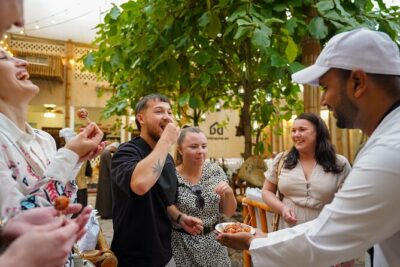
I especially like the way the route connects old buildings to everyday life in the markets. I also love the included tastings, from camel milk tea and camel milk chocolate to local food stops that keep it from feeling like a checklist tour.
One possible drawback: it is a mostly walking experience in hot weather, and the tour is not set up for people with mobility impairments or wheelchair users. Also, a few indoor spots can be time sensitive, like a restored house that was noted as closed late in the afternoon on Sunday.
Key highlights worth your attention
- Abra across Dubai Creek: A quick water taxi ride that changes how you see the city layout.
- Souk time with a guide: You get context while you stroll gold, spice, textile, and market streets.
- Al Bastakiya photo and guided segment: Traditional Arabian architecture turned into cultural venues.
- Dubai Gold Souk scale: A major gold retail market with tax free sellers, including 350+ retailers.
- Spice Souk sensory stop: You get your senses engaged, not just your eyes.
- Small group or private option: You can choose company level, from small groups to private guiding.
In This Review
- Old Dubai on Foot, Abra Across the Creek
- Meeting at Sharaf DG Metro, Then Getting Oriented Fast
- Al Bastakiya and the Al Fahidi Area: Architecture With a Purpose
- Old Wall, Dubai Museum Stops, and the Story Between the Lanes
- Textile and Souq Al Kabeer: What You Should Pay Attention To
- Dubai Spice Souk: The Smell Test Part of the Experience
- Gold Souk and the 350+ Tax-Free Retailers: Shopping With Context
- Abra Water Taxi Across Dubai Creek: The Short Ride That Changes Everything
- Food, Camel Milk Tastings, and the Included Breaks
- Price and Value: Why $23 Works for a 3-Hour Day
- What to Bring, What Not to Bring, and Who This Fits
- Should You Book This Old Dubai Walking Tour?
- FAQ
- How long is the Old Dubai walking tour?
- What is the price per person?
- Where do I meet the guide?
- What is included in the tour price?
- Is hotel pickup included?
- Is this tour suitable for wheelchair users or mobility impairments?
Old Dubai on Foot, Abra Across the Creek
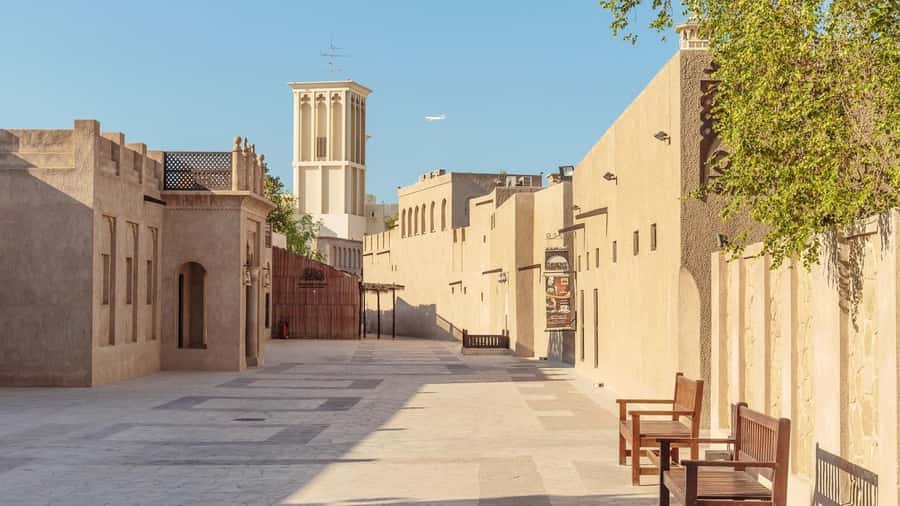
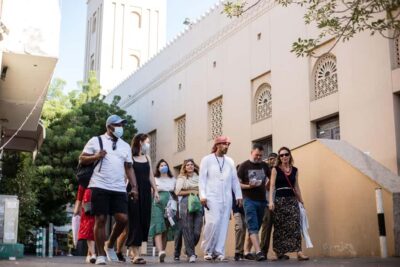
Old Dubai is the part of the city that moves at human speed. Here, you trade glass towers for wind towers, narrow lanes, and the kind of architecture that looks built for shade and street life. This tour takes that idea seriously by combining walking with a water taxi crossing, so you do not just look at Dubai, you understand how the creek shaped movement and trade.
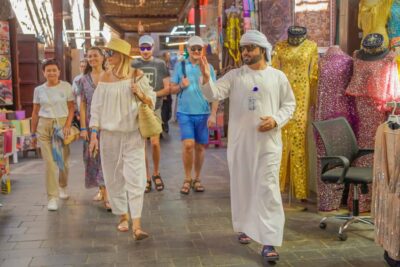
What I like most is that the experience keeps pulling you from one sense to another. You start with the heritage streets of Al Bastakiya. Then you step into markets where the air changes from cool stone to spice and coffee smells. Finally, you shift again with the abra ride, which is short but visually powerful, especially when you see the two sides of Dubai Creek from water level.
For the price, this is one of those tours where the value is not only the guide. It is also the included ride, the food, and the small tastings that make the route feel lived in rather than purely sightseeing.
Deeper into the old side of the creek
- Dubai: Old Town, Creek, Museums, Souks, & Street Food Tour
★ 4.8 · 10,816 reviews - Dubai: Old Town, Souks, Street Food, Guided Tour & Abra Ride
★ 4.9 · 7,170 reviews - Dubai: Frame Tickets, Creek, Souks & Blue Mosque Guided Tour
★ 4.8 · 5,980 reviews - Dubai Aladdin Tour: Souks, Creek, Old Dubai and Tastings
★ 5.0 · 3,755 reviews
Meeting at Sharaf DG Metro, Then Getting Oriented Fast
The meeting point is Sharaf DG metro station, Exit 4. It is a smart choice because it is simple to reach by metro or taxi, and you avoid the headache of coordinating hotel pickup for a 3 hour experience. Your guide will be waiting there wearing a tour guide licence, which matters in a city where it is easy to get shuffled around.
This tour works best when you arrive with a clear goal: comfortable shoes, sun protection, and a bit of curiosity. You will be walking through older lanes and market areas where getting turned around can steal time and patience. When you have a guide meeting you at the metro exit, you spend your energy on the route instead of the navigation.
Also, keep in mind that this is not a long transfer day. The pace is tight, which is part of why the tour feels focused.
Al Bastakiya and the Al Fahidi Area: Architecture With a Purpose
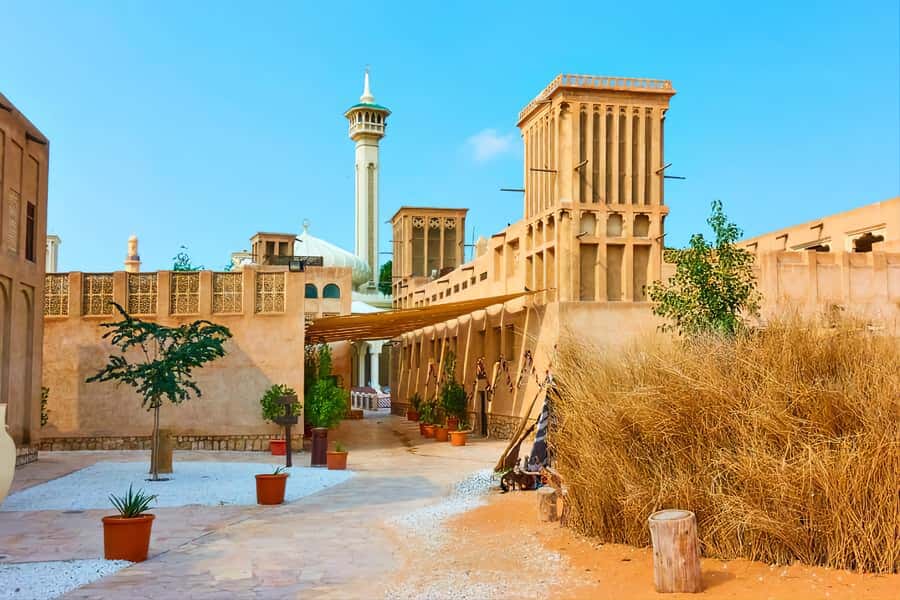
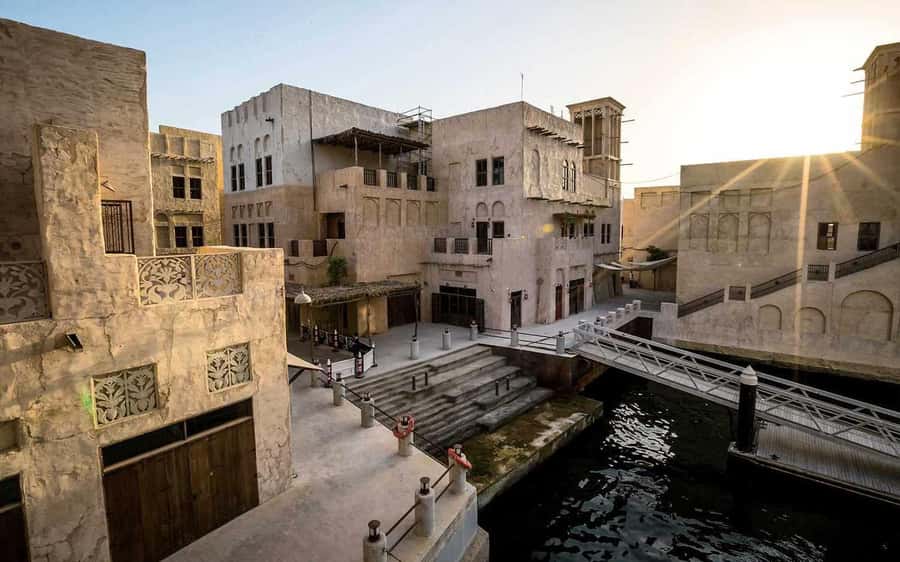
Your first real time in the Old Town is built around the Al Bastakiya, also known as Al Fahidi District, area. Expect a photo stop plus guided time that sets the tone. This is not just, look at the building and move on. You learn why this style matters, and you see how many of the older structures have been repurposed into cultural spaces like museums, art galleries, event venues, and a coffee museum.
You will also pass key landmarks tied to the community side of old Dubai. The Old Mosque is on the route, and then you get the historical anchor points like the remains of the old enclosure wall, known as Dubai’s Old Wall, built around 1800 AD. That timing gives the tour a “before modern Dubai” feel without turning into a lecture.
As for what to watch for: look at the forms and the small clues that show older life. Wind tower shapes, the feel of shaded lanes, and the way buildings face the street tell you how people designed for daily weather and daily movement.
A practical note from a real visit: one person noted that a specific house was closed at 16:00 on Sunday. If you are doing this later in the day, it is wise to keep your expectations flexible for any indoor components.
Old Wall, Dubai Museum Stops, and the Story Between the Lanes
After you get your bearings in Al Bastakiya, the tour keeps feeding the timeline. You head toward the Dubai Museum area, where you see relics and artifacts tied to Emirati civilization. The point here is not only the objects. It is the context your guide adds about what those items represent and how life has changed.
Then you transition toward market streets. This is where the tour does something smart: it does not send you straight from heritage buildings into gold without explanation. By the time you reach market zones, you already understand why Dubai became a trading hub.
For me, this “between the lanes” structure is what makes the tour feel coherent. You are not just bouncing between tourist stops. You are walking through connected themes: settlement, trade, community, and then the goods people came for.
Textile and Souq Al Kabeer: What You Should Pay Attention To
One segment focuses on the textile market area and the Souq Al Kabeer stop, with photo and guided time. This is where you start seeing how Old Dubai shopping differs from malls. The textiles are the sensory checkpoint, colors you can actually see up close, and fabric displays that feel like they were built for browsing.
Textile markets also help you understand the logic of the souk system. The market sections connect to the broader trading story. Fabrics, gold, spices, and everyday items all move through the same lanes, but each market has its own rhythm. Your guide helps you read that rhythm so you do not get lost in the noise.
One thing I appreciate from the guide style here, based on reported experiences, is that guides tend to keep the tour comfortable. People specifically praised guidance that helped them stay out of the sun. So if you are visiting in hotter months, expect your route to include shade and pacing choices.
Dubai Spice Souk: The Smell Test Part of the Experience
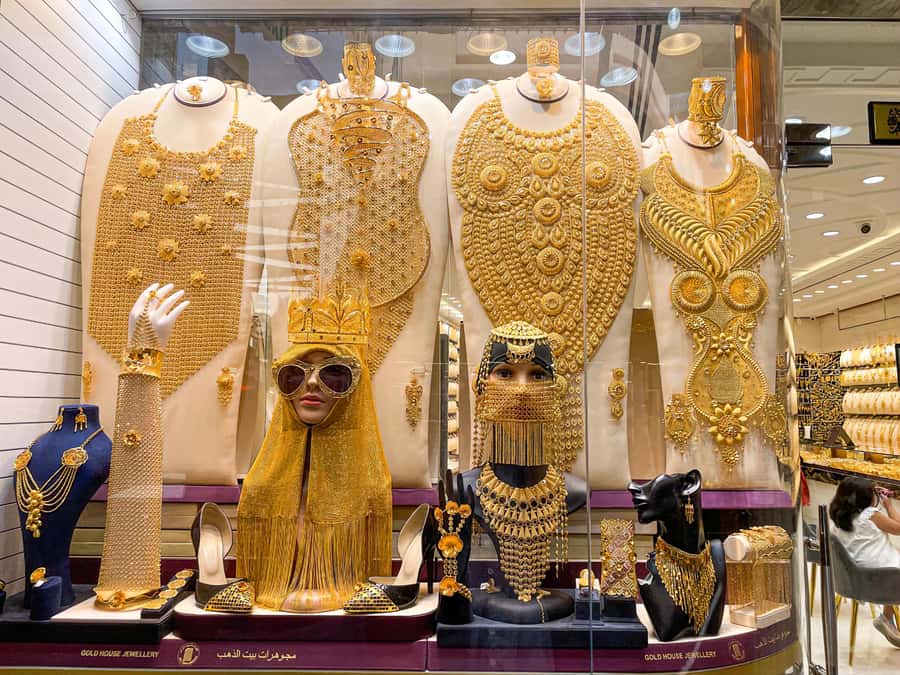
Then comes the spice market, which is the easiest stop to love fast. You get into the Dubai Spice Souk with a visit and guided time, and the most obvious difference is the smell. Spices and coffee scents mix in a way that instantly feels Arabian and real, not like a themed imitation.
This is also where the guide can make the tour feel worth more than the price. The strongest tours here use the guide to explain what you are seeing, why it matters, and what traders historically offered. In the best versions of this tour, guides also include a small sampling moment, like Arabic coffee and dates. Even when that is not the exact offering on your day, the tour is still built around giving you a sense of flavor culture, not just color.
A practical tip: wear sunglasses, but also keep your eyes open. In spice markets, the label text and seller explanations can help you avoid buying something you do not actually want. If you like food, take a few seconds to picture how you would use what you buy.
Gold Souk and the 350+ Tax-Free Retailers: Shopping With Context
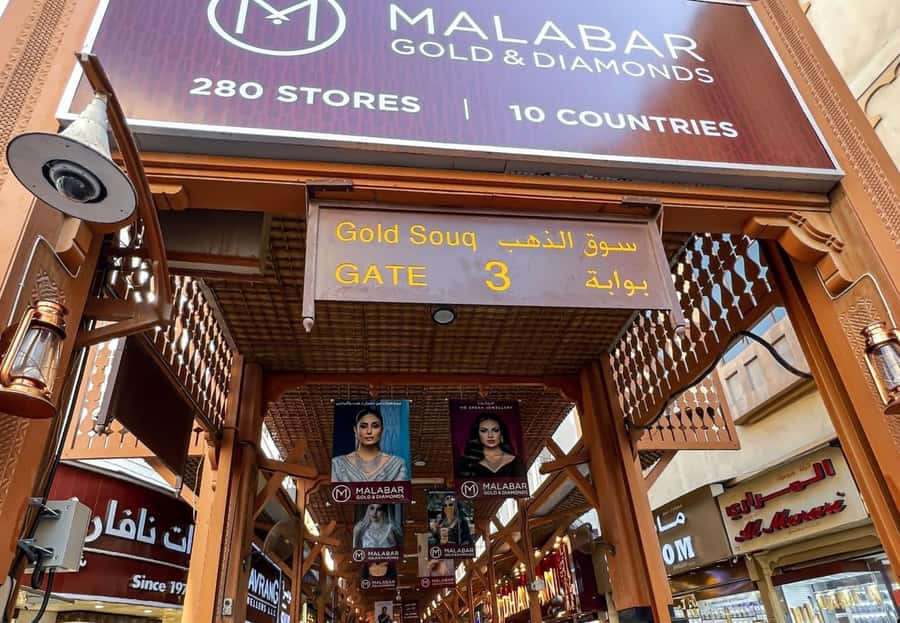
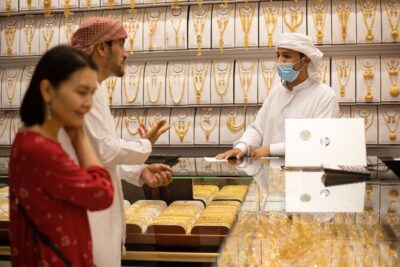
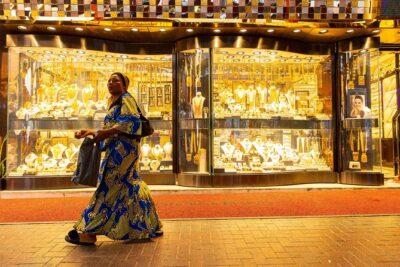
The Dubai Gold Souk is a must-see for a reason: the scale is real, and it is easy to forget you are in a city that grew up around trade. This portion of the tour includes time for sightseeing and guided exploration, and you get the bigger picture that it is one of the largest gold retail markets in the world, with 350+ tax-free gold retailers.
Here is the value for your wallet and your brain. Without context, gold shopping can feel like a blur of identical-looking displays. With a guide, you understand what the market is and how people actually navigate it. You also get practical cues on how to compare items and prices, and how to shop without feeling pressured.
A recurring theme in positive experiences is that guides helped keep shoppers comfortable and guided them toward fairly priced shops with friendly store owners. That matters, because it can be tempting in a souk to spend more than you intended or only shop where it is loudest.
If you are not buying, that is fine. This is still a cultural stop. Just do yourself a favor and treat it like a look-and-learn market. You will enjoy it more if you set a simple goal, like trying to understand the craft feel and how different pieces are presented.
- Dubai: Red Dune Safari, Quad Bike, Camel Ride, BBQ Dinner★ 4.9 · 32,185 reviews
- Dubai: Premium Safari, Camel Ride & Al Khayma Camp 3-Buffets★ 4.9 · 30,335 reviews
- Dubai: Burj Khalifa Sky Level 148, 124, & 125 Entry Ticket★ 4.6 · 23,827 reviews
- Dubai Red Dunes ATV, Camels, Stargazing & 5* BBQ Al Khayma Camp★ 5.0 · 21,620 reviews
- Dubai Marina: Luxury Yacht Tour with Breakfast or BBQ Option★ 4.7 · 21,528 reviews
Abra Water Taxi Across Dubai Creek: The Short Ride That Changes Everything
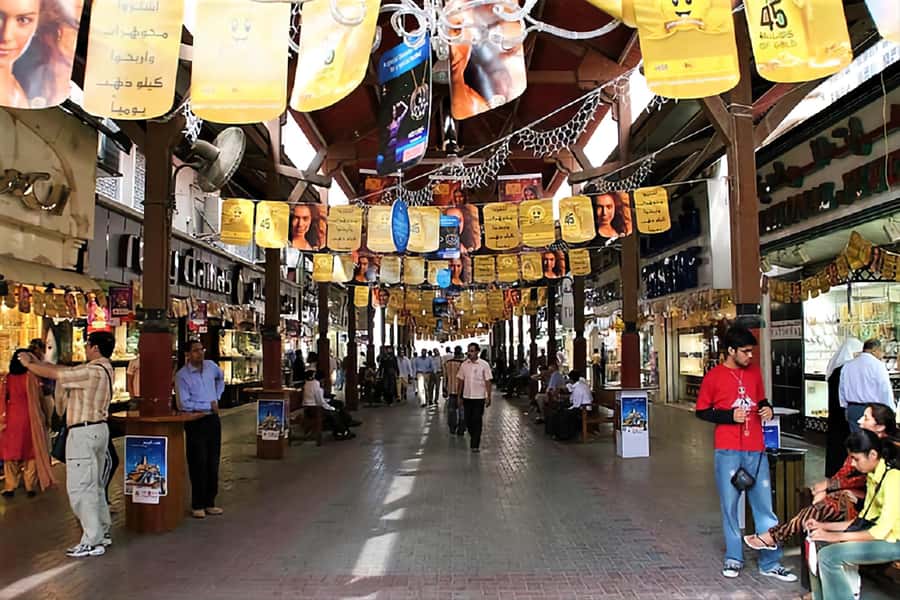
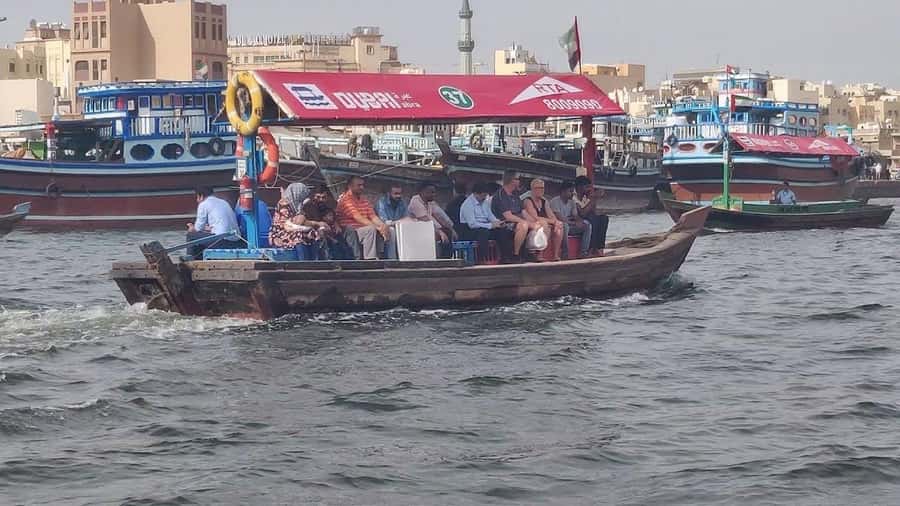
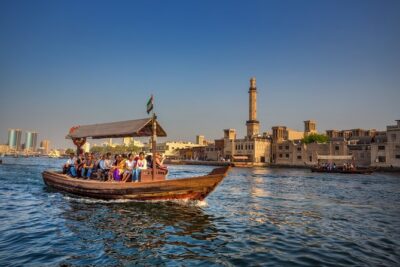
The abra boat ride is brief, about 15 minutes, but it is one of the best parts because it gives you a new viewpoint. From land, the creek is a background line. From the abra, it becomes the connector that shaped the whole Old Dubai economy.
This is also a moment where the tour rhythm shifts. You stop walking, you see the water traffic, and you get that classic Dubai Creek perspective. It is a reminder that old trade was not just about streets. It was about getting goods across water efficiently.
If you are the type who likes photos, this is your golden window. Get on the correct side for your shots if your guide gives a suggestion, then enjoy the ride without rushing back to the crowd.
Food, Camel Milk Tastings, and the Included Breaks
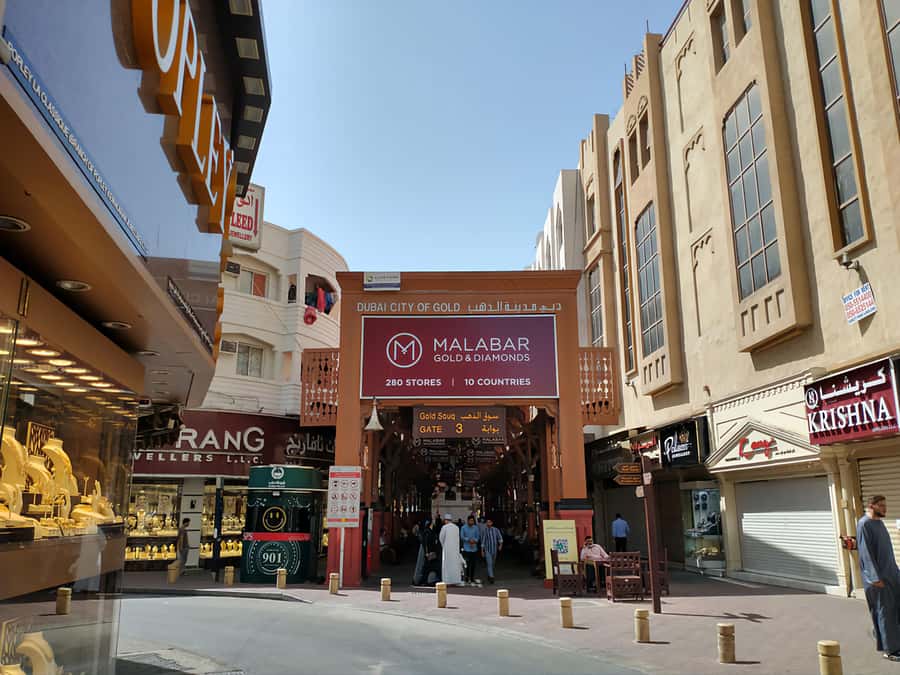
This tour includes camel milk tea and camel milk chocolate, plus local food and water. The included food is not just a filler. It gives you a chance to slow down mid-route, which matters when you are walking between markets.
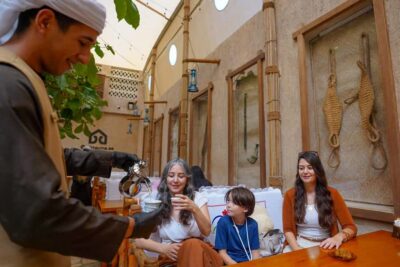
From reported experiences, there can also be other sampling moments tied to heritage settings, such as Arabic coffee and dates in a Bedouin-style tent. If you drink coffee, pay attention to how it is served, because it often comes with the story your guide adds.
One practical detail: you want to stay hydrated because you are in sun and enclosed markets. The included water helps, but you still need a steady pace. If you start feeling rushed, that usually means you are moving too fast for the conditions, not that the tour is failing.
Price and Value: Why $23 Works for a 3-Hour Day
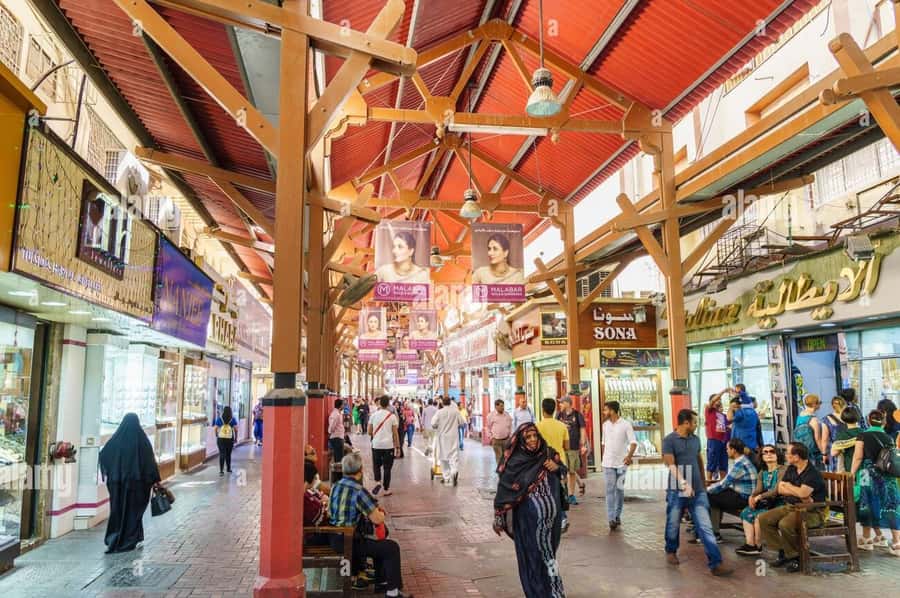
At $23 per person for about 3 hours, you are paying for more than a walk. You are buying the guide, the route planning, and specific inclusions that would cost time or money on your own.
You get:
- A licensed tour guide
- Camel milk tea and camel milk chocolate
- Local food and water
- An abra water taxi trip
- A guided look at the souks and key Old Town areas
Even without trying to price each item separately, the point is clear. This is structured to pack multiple “Dubai Old Town” experiences into one compact half-day window. If you tried to do it on your own, you would still need a guide to make the architecture and market sections feel connected. And you would still need time to figure out how to cross the creek and where to prioritize.
I also like that you can choose a private option if you want less crowd energy and more question time.
What to Bring, What Not to Bring, and Who This Fits
Bring comfortable shoes, sunglasses, and a sun hat. Dress for heat and walking, not for looking perfectly styled. This route moves through older districts and market streets where it pays to be comfortable.
Do not bring baby strollers or luggage and large bags. Keep your day bag small and easy to carry.
This tour is not suitable for people with mobility impairments or wheelchair users, because it is built around walking and market navigation.
Who it suits best:
- First-time visitors who want Old Dubai without getting overwhelmed
- People who like stories, not just photos
- Shoppers who want context before spending money in souks
- Families and small groups, since guides often adjust pace and shade when needed
If you want an Old Dubai tour that feels human and not like a scripted shopping trap, this one is designed in that direction.
Should You Book This Old Dubai Walking Tour?
Yes, I think you should book this if you want a clean, efficient way to experience Old Dubai, souks, and the creek crossing in one go. The biggest reason is the structure, it builds from Al Bastakiya heritage into markets with guide context, then adds the abra ride so you can actually understand the city’s layout.
I would especially book it if you care about two things: getting the background so the souks make sense, and having a guide who keeps the experience comfortable. Names like Muhammad, Aqib Abbas, Hassan, Abdullah, Ikram, and Shahzad show up in strong feedback for a reason: they are seen as friendly, attentive, and good at answering questions, which is exactly what you want in a market-heavy day.
Skip it only if you cannot do sustained walking, or if you are picky about indoor stops that may close at certain times. For most people, though, this is a smart way to spend a half-day learning how Dubai used to work, before the modern skyline takes over your attention.
FAQ
How long is the Old Dubai walking tour?
The tour lasts about 3 hours.
What is the price per person?
The price is $23 per person.
Where do I meet the guide?
You meet at Sharaf DG metro station, Exit No 4. The guide waits there wearing a tour guide licence.
What is included in the tour price?
Included are a licensed tour guide, camel milk tea, camel milk chocolate, an abra water taxi trip, local food, and water.
Is hotel pickup included?
Hotel pickup and drop-off are optional through the private experience option. Without private, hotel pickup is not included.
Is this tour suitable for wheelchair users or mobility impairments?
No. The tour is not suitable for people with mobility impairments or wheelchair users.
The Creek, the Souks, the Old Side



More of Dubai, written up the same way

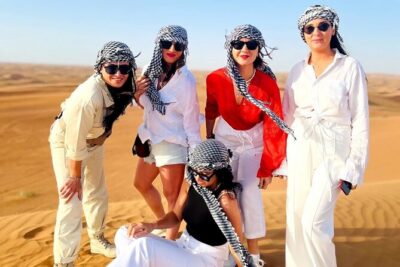
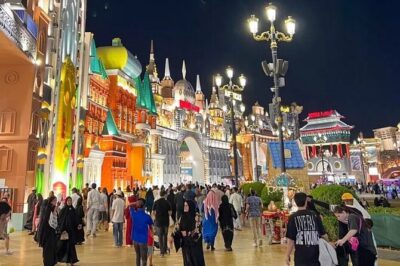
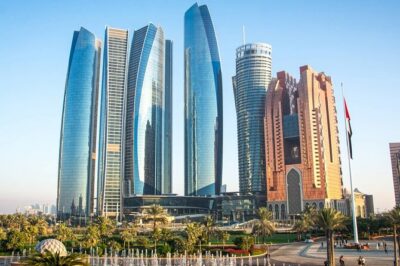


Old Dubai, Creek & Souks, compared.
 ★ 4.8Old Town, Creek, Museums, Souks, & Street Food TourFrom $1810,816 reviews
 ★ 4.9Old Town, Souks, Street Food, Guided Tour & Abra RideFrom $97,170 reviews
 ★ 4.8Frame Tickets, Creek, Souks & Blue Mosque Guided TourFrom $495,980 reviews
 ★ 5.0Dubai Aladdin Tour: Souks, Creek, Old Dubai and TastingsFrom $213,755 reviews
 ★ 4.8Half-Day City Tour with Blue Mosque, Creek, and SouksFrom $493,059 reviews
 ★ 4.0Dubai Half-Day City Tour with Visit to Dubai Gold SoukFrom $161,741 reviews
★ 5.0Old Town, Souks, Street Food, Guided Tour & Abra RideFrom $171,664 reviews
★ 4.0Dubai Half-Day City Tour with Visit to Dubai Gold SoukFrom $161,741 reviews
★ 5.0Old Town, Souks, Street Food, Guided Tour & Abra RideFrom $171,664 reviews
 ★ 4.9Old Town, Street Food, Creek, Souks, & Emirati HouseFrom $61,496 reviews
Browse the lists this tour appears in